Gaming eTrueSports: Exploring the Rise of Competitive Simulation Leagues
An in-depth look at how traditional sports organizations and simulation esports are converging into modern digital athletic leagues.
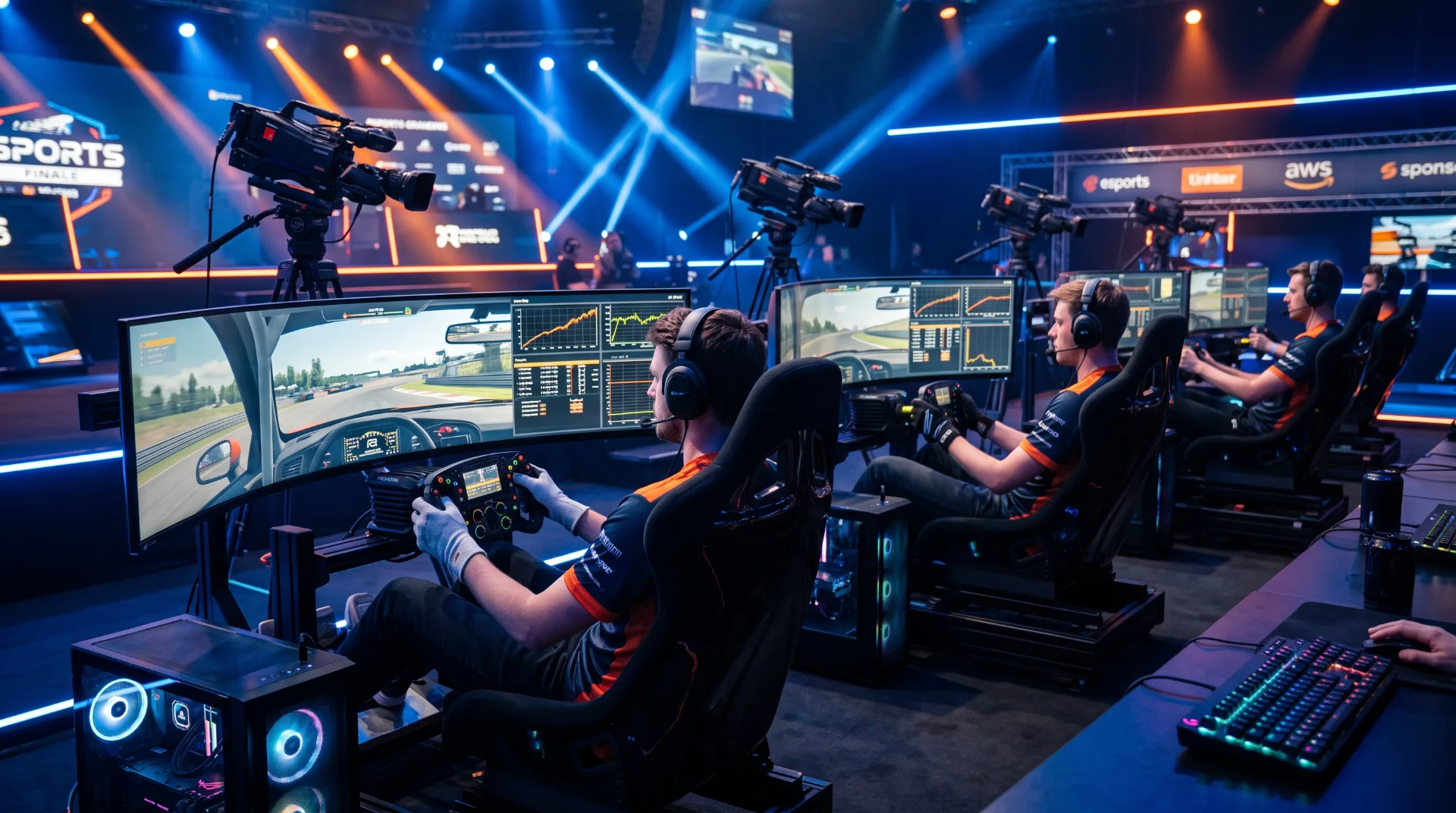
The boundary between physical motorsport and digital competition continues to dissolve at a staggering pace. What began decades ago as a niche hobby for hardcore racing enthusiasts in dimly lit bedrooms has evolved into a multi-million-dollar global ecosystem. Today, competitive simulation leagues command dedicated television broadcasts, professional team franchises, and official partnerships with tier-one automobile manufacturers.
From Bedroom Setups to FIA-Sanctioned Championships
The catalyst behind this rapid professionalization lies in hardware fidelity and software physics. Modern simulation platforms—ranging from iRacing and Assetto Corsa Competizione to dedicated proprietary software utilized by Formula 1 teams—replicate tyre degradation, aerodynamic wake, and force-feedback telemetry with terrifying accuracy.
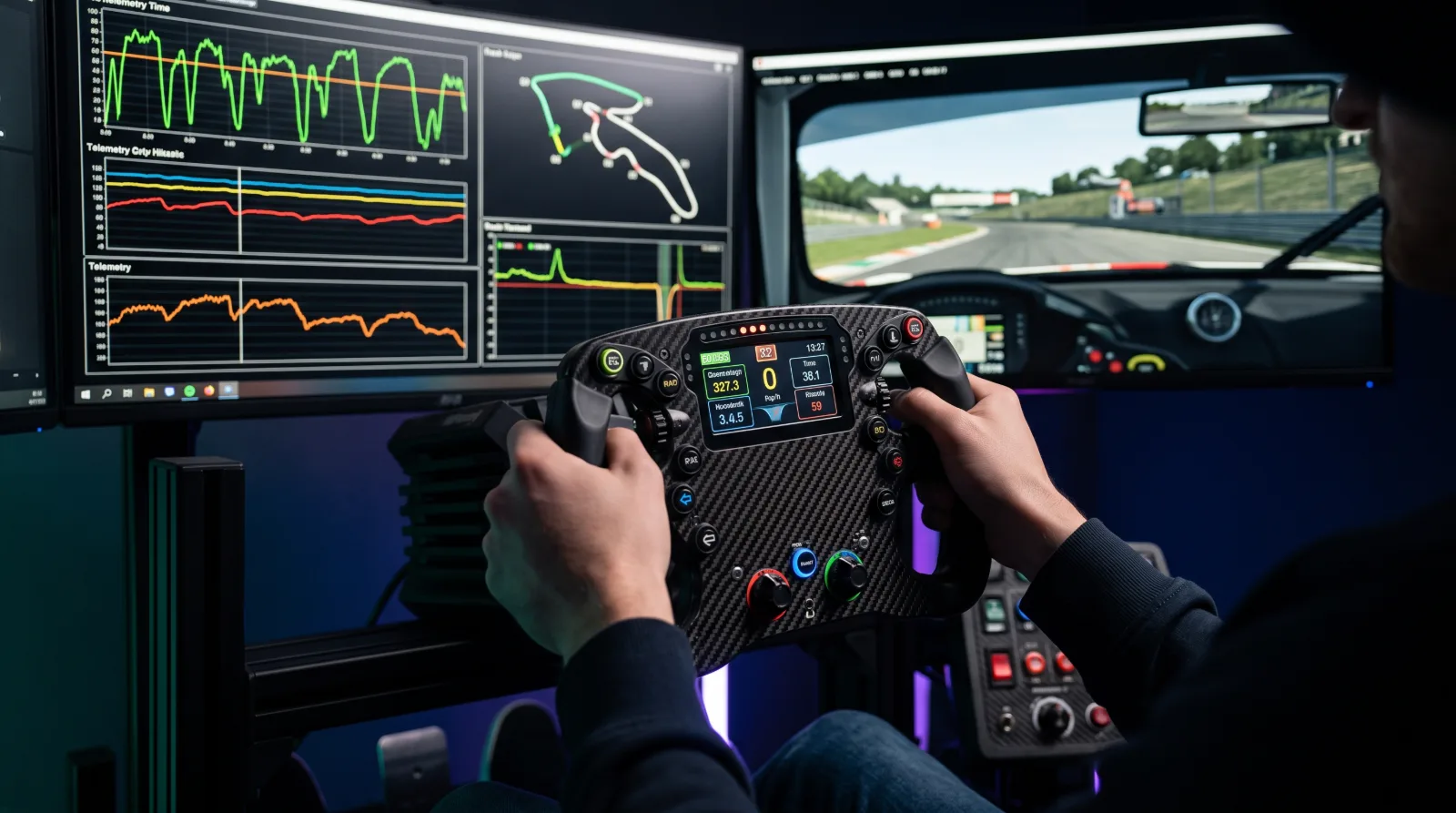
Because the physics engines mirror real-world dynamics so closely, traditional racing organizations can no longer dismiss virtual series as mere arcade games. Real-world Formula 1, NASCAR, and Le Mans academies routinely scout sim racing leaderboards to identify raw talent. Drivers who master weight transfer and slip angles on a digital rig can translate those reflexes directly to actual carbon-fiber chassis.
The Economics and Team Ecosystem
Major esports organizations and traditional racing stables alike have established dedicated sim racing divisions. Teams operate with performance analysts, race engineers, and data strategists who review telemetry logs identical to those used in real-world grand prix paddocks.
Corporate sponsors have noticed. Brands that traditionally allocated marketing budgets exclusively to physical racing series now recognize that digital leagues capture a highly engaged, digitally native demographic. Prize pools for premier global simulation championships now rival traditional esports tournaments, providing sustainable full-time careers for top-tier drivers.
The Technical Challenge: Netcode and Hardware Parity
Despite the explosive growth, competitive integrity remains a constant battleground for league organizers. Unlike offline LAN tournaments where all competitors play on identical hardware, online simulation leagues must contend with latency, hardware variance, and netcode anomalies.
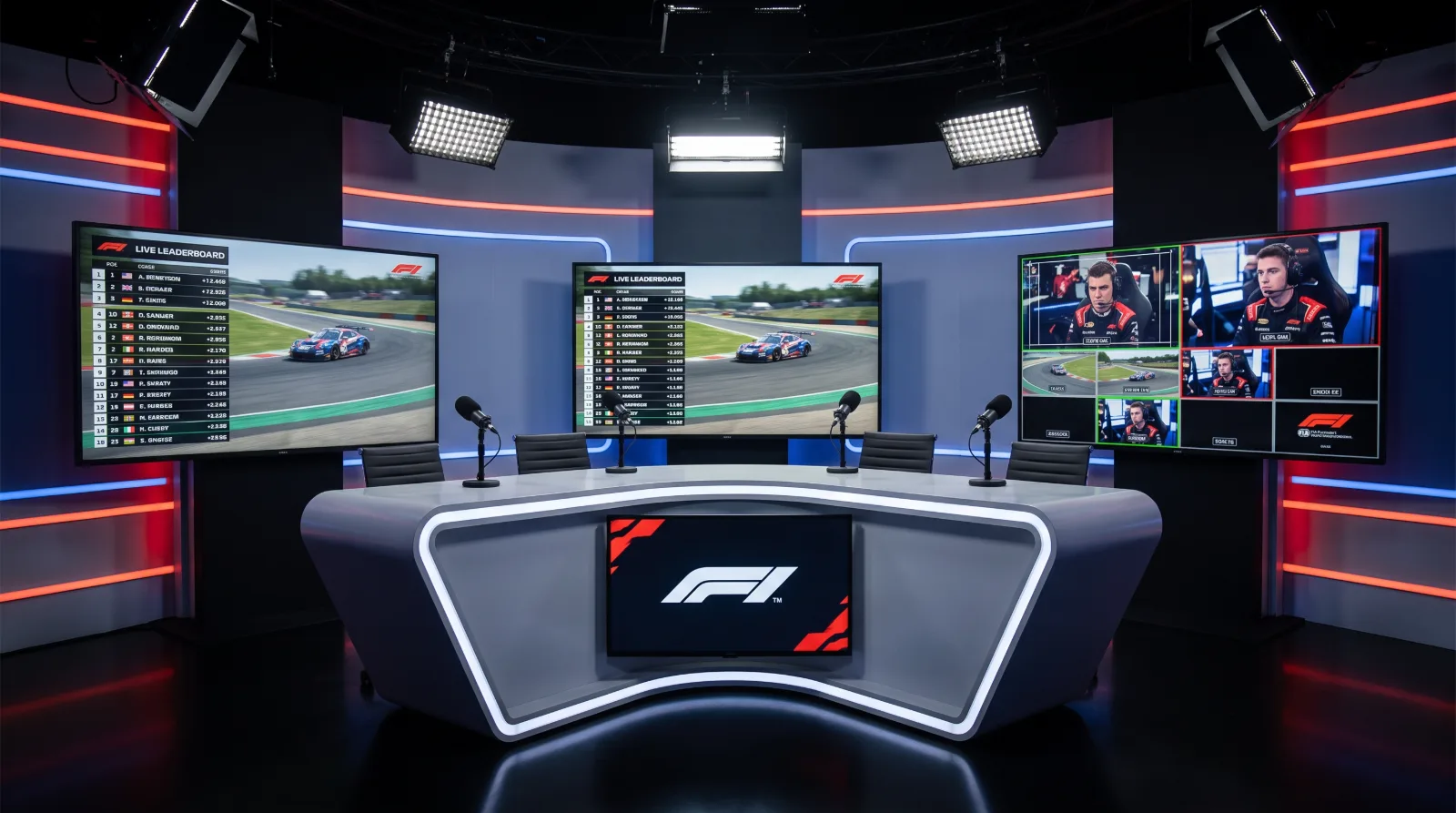
To combat this, elite championships increasingly enforce strict hardware regulations, mandate specific direct-drive wheelbases and load-cell pedal sets, and host centralized LAN playoff events where possible. Ensuring that races are won purely through driver skill and strategic setup mastery rather than hardware advantage is paramount to maintaining broadcast credibility.
What Lies Ahead for Virtual Motorsport
As virtual reality headset fidelity improves and motion-platform rigs become more accessible, the gap between simulation and reality will narrow further. We are rapidly approaching an era where sim racing is viewed not as a stepping stone to real-world racing, but as an equally prestigious, standalone discipline within the global sports landscape. For teams and players willing to adapt, the checkered flag on this digital revolution is only just coming into view.