Microtransaction Security: How to Protect Payment Data on Third-Party Gaming Sites
Purchasing in-game items, keys, or cosmetics on third-party gaming marketplaces? Here is how to audit platform SSL certificates, verify tokenized checkouts, and prevent subscription billing leaks

Guarding the Wallet: Ensuring Data Privacy Across Third-Party Gaming Gateways
The expansion of gaming economies has generated a massive ecosystem of external third-party storefronts: key reseller platforms, digital asset exchanges, community cosmetic marketplaces, and tournament subscription portals.
While buying outside official publisher launchers can offer substantial savings, it exposes consumers to data vulnerability. Breached customer databases, unauthorized recurring billing, and credential harvesting represent ongoing hazards for unshielded shoppers.
Below is an operational checklist to audit merchant checkout flows, utilize tokenized payment gateways, and safeguard personal financial identities when transacting online.
Anatomy of a Secure Transaction: What Tokenization Does
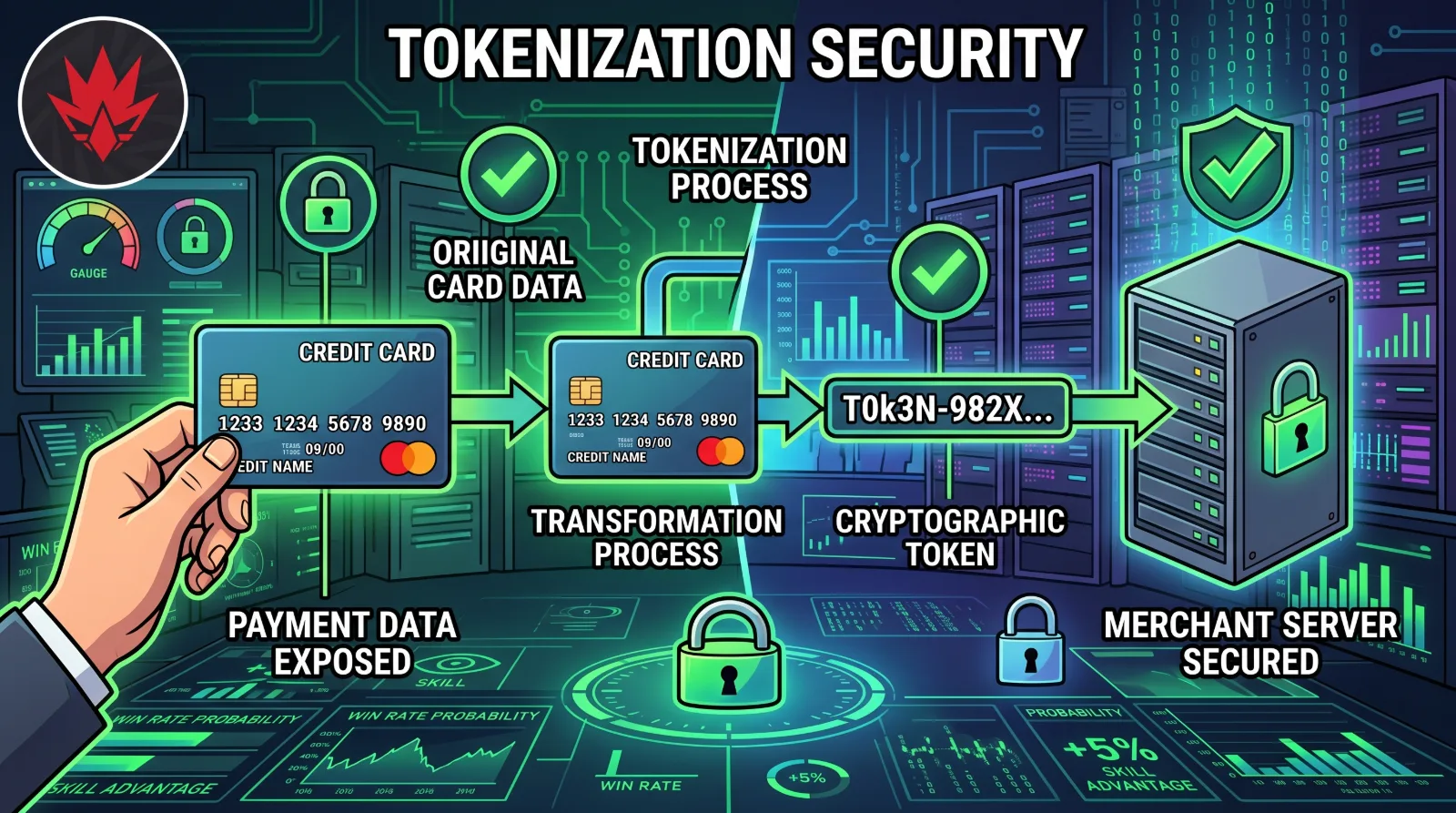
text
Legitimate modern e-commerce does not store your raw credit card number on corporate databases. They employ Payment Tokenization:
Tokenized Checkout Flow:
[Customer Enters Card] ---> [PCI-DSS Compliant Gateway (Stripe/Adyen)] ---> [Generates Random Alpha-Numeric Token]
---> [Merchant Stores Token Only (Useless to Hackers)]
If a merchant utilizing proper tokenization suffers a backend server breach, bad actors obtain arbitrary strings of letters rather than actionable credit card information.
3 Critical Checks Before Entering Payment Data
Before clicking checkout on any third-party gaming platform, verify these technical checkpoints:
- PCI-DSS Level 1 Certification: Scroll to the platform footer. Legitimate payment handlers explicitly state compliance with the Payment Card Industry Data Security Standard (PCI-DSS), verifying external security auditing.
- Dedicated URL Redirects: When processing payment, the browser address bar should redirect to an authenticated banking domain or certified checkout iframe (such as PayPal, Trustly, or Stripe) rather than remaining on an unverified self-hosted domain.
- Transparent Merchant Entity Records: A verified secure payment provider and gaming platform will always clearly list their incorporated legal entity name, corporate registration number, and operating jurisdiction on the checkout invoice.
Deploying Defensive Payment Methods
To eliminate exposure entirely, apply layered payment buffers:
- Single-Use Virtual Cards: Financial apps like Revolut allow users to generate disposable card numbers that regenerate immediately after a single transaction, making unauthorized repeat charges impossible.
- Prepaid Vouchers (Paysafecard): Purchasing physical or digital prepaid vouchers with set cash amounts ensures that zero banking or personal identity records are transmitted across the transaction.
- Dedicated Gaming E-Wallets: Maintaining a segregated digital wallet exclusively for entertainment purchases prevents unexpected marketplace disputes from impacting your primary household funds