Tomodachi Life Switch: Why Fans Are Demanding a Revival of Nintendo's Weirdest Sim
Why is the internet searching for Tomodachi Life: Living the Dream? Here is an exploration of Nintendo's beloved surreal life simulator, its unhinged social comedy, and how a modern Switch revival could work.
Surreal Living: Why the Gaming World Demands Tomodachi Life on Switch
In the extensive catalog of Nintendo intellectual properties, few titles carry the delightfully unhinged, eccentric legacy of Tomodachi Life. Originally launched on the Nintendo 3DS, this life simulation game abandoned the structured responsibilities of Animal Crossing in favor of pure, unpredictable emergent soap-opera comedy.
With search trends suddenly surging around terms like Tomodachi Life Living the Dream and Tomodachi Life Switch, player demand for a modern revival on current hybrid hardware has reached unprecedented levels.
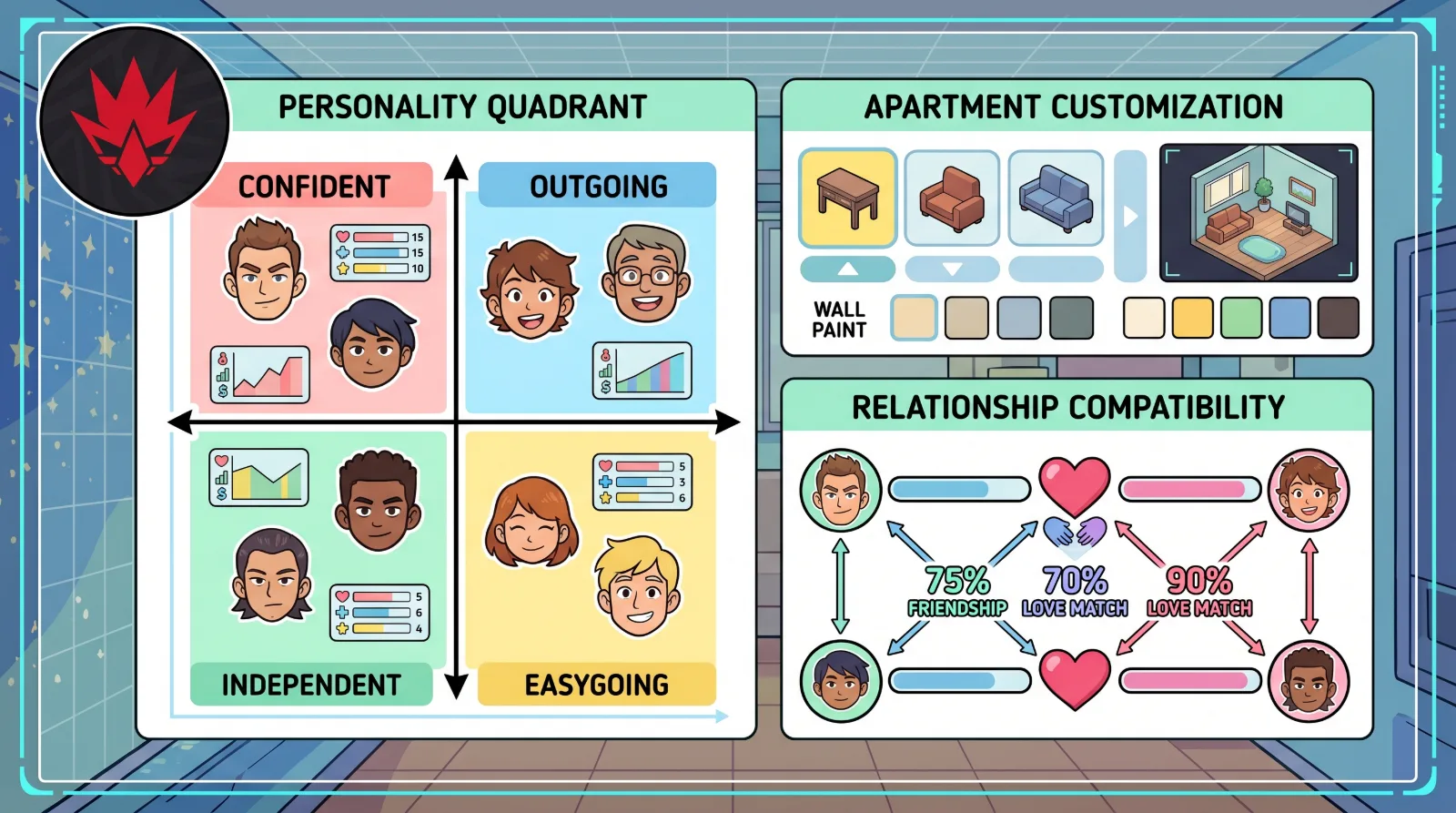
Below is an exploration of the game's timeless social appeal, why its Mii-driven simulation remains completely unique, and what a modern console revival requires.
The Comedy of Pure Chaos: How the Simulation Operates
Unlike traditional life simulators where you control a central avatar’s direct actions, Tomodachi Life positions the player as an omniscient caretaker of a multi-story apartment complex populated entirely by Mii characters:
Simulation Core Elements:
Autonomous Drama: You populate the island with digital caricatures of real-life friends, family, celebrities, and fictional characters. You do not force relationships; the game's internal compatibility matrix governs dynamic romances, unexpected breakups, and surreal rivalries.
Quirky Problem Solving: Miis express desires ranging from craving a slice of moldy cheese to demanding custom opera lyrics, rewarding players with treasures, interior themes, and clothing items.
Dream Sequences: Entering a sleeping Mii's apartment triggers absurd, psychedelic dream minigames that became viral memes across internet video platforms.
Upgrading the Formula for Modern Hardware
Bringing the franchise to modern platforms presents creative opportunities to elevate social comedy:
HD Character Customization: Modern Mii creation suites offer extensive makeup, hair layering, and spatial adjustments, allowing uncanny caricatures of popular pop-culture icons.
Cross-Platform Sharing: Utilizing cloud-based sharing codes to visit friends' apartment islands and exchange eccentric residents seamlessly.
Expanded Dialogue Engines: Modern natural-language speech synthesizers that deliver hilarious vocal delivery without the harsh robotic clipping of older handheld hardware.
The Cultural Thirst for Low-Stress Entertainment
In a gaming landscape dominated by 100-hour competitive grinds and stressful extraction shooters, low-stress quirky entertainment fills an essential gaming niche:
Social Sharing Appeal: The spontaneous dialogue interactions generate organic video clips primed for short-form entertainment on TikTok and YouTube Shorts.
Community Engagement: Compare social gaming trends by exploring our breakdown of Friendslop co-op party games to understand why low-stakes humor connects so deeply with modern players.