10 Most Expensive Pokémon Cards in 2026: PSA 10 Sales & Market Values
Which Pokémon cards hold the highest verified auction records in 2026? From the holy grail Illustrator Pikachu to shadowless first-edition holos, here is the official top 10 market ranking with verified grade pricing.
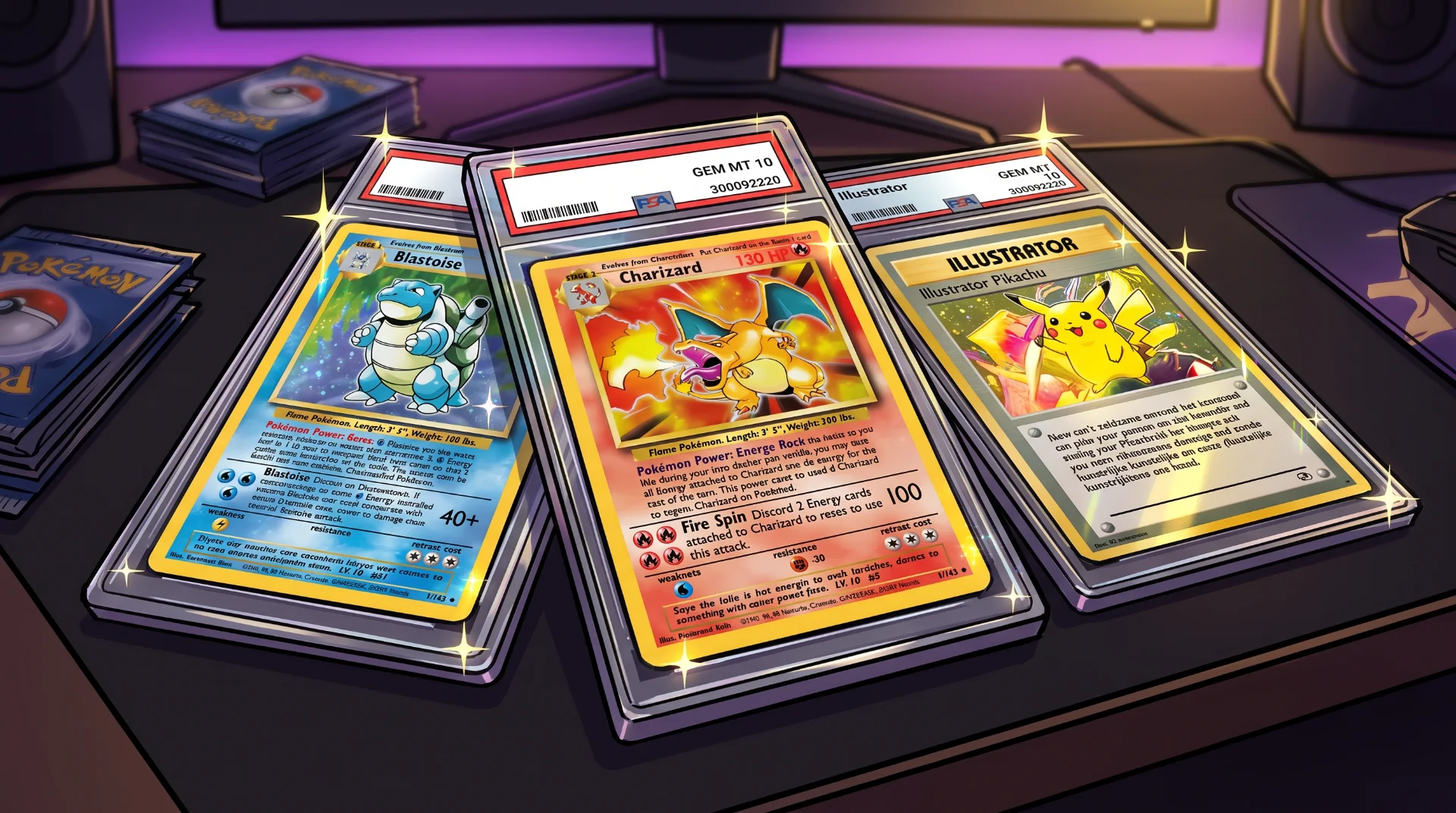
Quick Answer: The 10 Highest-Valued Pokémon Cards in 2026
Card valuations at the top tier require verified auction house receipts (Goldin, Heritage Auctions, Sotheby's) rather than raw ungraded listings. Here are the 10 most expensive Pokémon cards ranked by verified transaction peaks:
- 1998 Pikachu Illustrator (PSA 10): ~$5,275,000 (Guinness World Record)
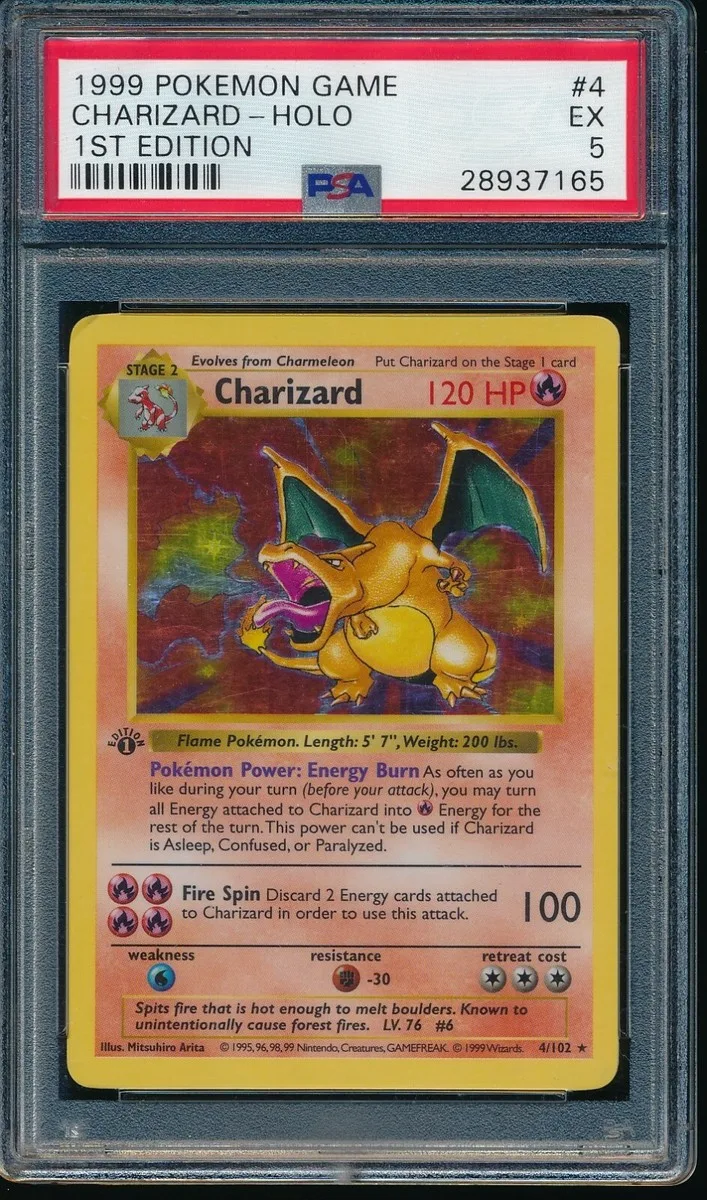
- 1999 1st Edition Shadowless Base Set Charizard (PSA 10): $390,000 – $420,000
- 1998 Blastoise Presentation Galaxy Star Holo (CGC 8.5): $360,000
- 1995 Topsun Charizard Blue Back (PSA 10): $315,000 – $350,000
- 1998 Trophy Pikachu No. 2 Silver (PSA 10): $300,000
- 2006 Pokémon World Championships No. 1 Trainer (PSA 9): $270,000
- 1998 Trophy Pikachu No. 1 Gold (PSA 9): $250,000
- 1999 1st Edition Shadowless Blastoise (PSA 10): $210,000
- 1998 Tamamushi University Magikarp (PSA 10): $175,000
- 2005 EX Deoxys Rayquaza Gold Star (PSA 10): $145,000 – $160,000
Complete Market Breakdown & Valuation Factors
| Rank | Card Name & Set | Highest Public Sale | PSA 10 Population | Why It Commands Top Dollar |
|---|---|---|---|---|
| #1 | 1998 Pikachu Illustrator | $5,275,000 | 1 | Distributed to CoroCoro art contest winners; single pristine copy in existence. |
| #2 | 1999 1st Edition Charizard | $420,000 | ~120 | The ultimate holy grail of modern pop culture and vintage English sets. |
| #3 | 1998 Blastoise Wizards Test Print | $360,000 | 0 (Highest CGC 8.5) | Prototype card printed by Wizards of the Coast prior to official English release. |
| #4 | 1995 Topsun Charizard (Blue Back) | $350,000 | <10 | Earliest commercial print run featuring no set numbers on original backing. |
| #5 | 1998 Trophy Pikachu No. 2 | $300,000 | <5 | Awarded exclusively to runners-up at the 1998 Lizardon Mega Battle tournament. |
| #6 | 2006 World Championships No. 1 | $270,000 | <3 | Ultra-scarce modern invitation card with non-replicable event holographics. |
| #7 | 1998 Trophy Pikachu No. 1 | $250,000 | <5 | Gold variant prize card given exclusively to event champions. |
| #8 | 1999 1st Edition Blastoise | $210,000 | ~135 | Flagship Blue mascot card; print-line centering makes PSA 10 gem mints extremely scarce. |
| #9 | 1998 University Magikarp | $175,000 | <15 | Only awarded to students passing the intensive Shogakukan university entry exam. |
| #10 | 2005 EX Deoxys Rayquaza Gold Star | $160,000 | <45 | Hardest pull rate in the EX era; notorious silvering borders hurt raw grading odds. |
3 Factors Separating a $1,000 Card from a $300,000 Card
Standard pricing search engines often confuse casual collectors. The massive gap between high sales comes down to three non-negotiable grading criteria:
1. True Gem Mint Population (The "Pop Report")
A base set Charizard in PSA 8 condition might fetch between $8,000 and $12,000. That exact same card in a certified PSA 10 Gem Mint slab commands upwards of $350,000. Because 1999 holographic cardstock was prone to silver foil scratches directly from the factory pack, surviving flaw-free specimens are locked in private vaults.
2. "Shadowless" vs. Unlimited Print Runs
On early English base cards, examine the right border of the art box:
- Shadowless: Lacks the drop shadow behind the yellow monster frame and features bold, thinner HP font.
- Unlimited: Features a dark drop shadow on the right edge. Unlimited print runs had millions of copies printed, drastically limiting ceiling prices.
3. Provenance & Auction Verification
Every seven-figure sale involves documented authentication escrow. Unverified transactions on generic marketplace apps rarely reflect actual realized cash value.
How to Protect High-End Raw Cards Before Grading
If you pull or inherit rare vintage binders:
- Do Not Sleeve Directly in Toploaders: Raw holo surfaces scratch immediately against rigid plastic. Always use an archival penny sleeve first.
- Avoid Touching the Edges: Skin oils degrade vintage cardstock over time, causing micro-clouding across holographic foil layers.
- Control Humidity & Temperature: Store cards in humidity-controlled environments (45–50% RH) to eliminate warping or foil curling.