Arcade Nostalgia: Why 80s & 90s Retro Game Mechanics Are Breaking Modern Records
Why are modern gamers fatigued by 100-hour open-world titles turning back to 1980s coin-op simplicity? Here is the cultural and economic breakdown of the retro arcade resurgence, pixel mechanics, and instant-action gaming loops
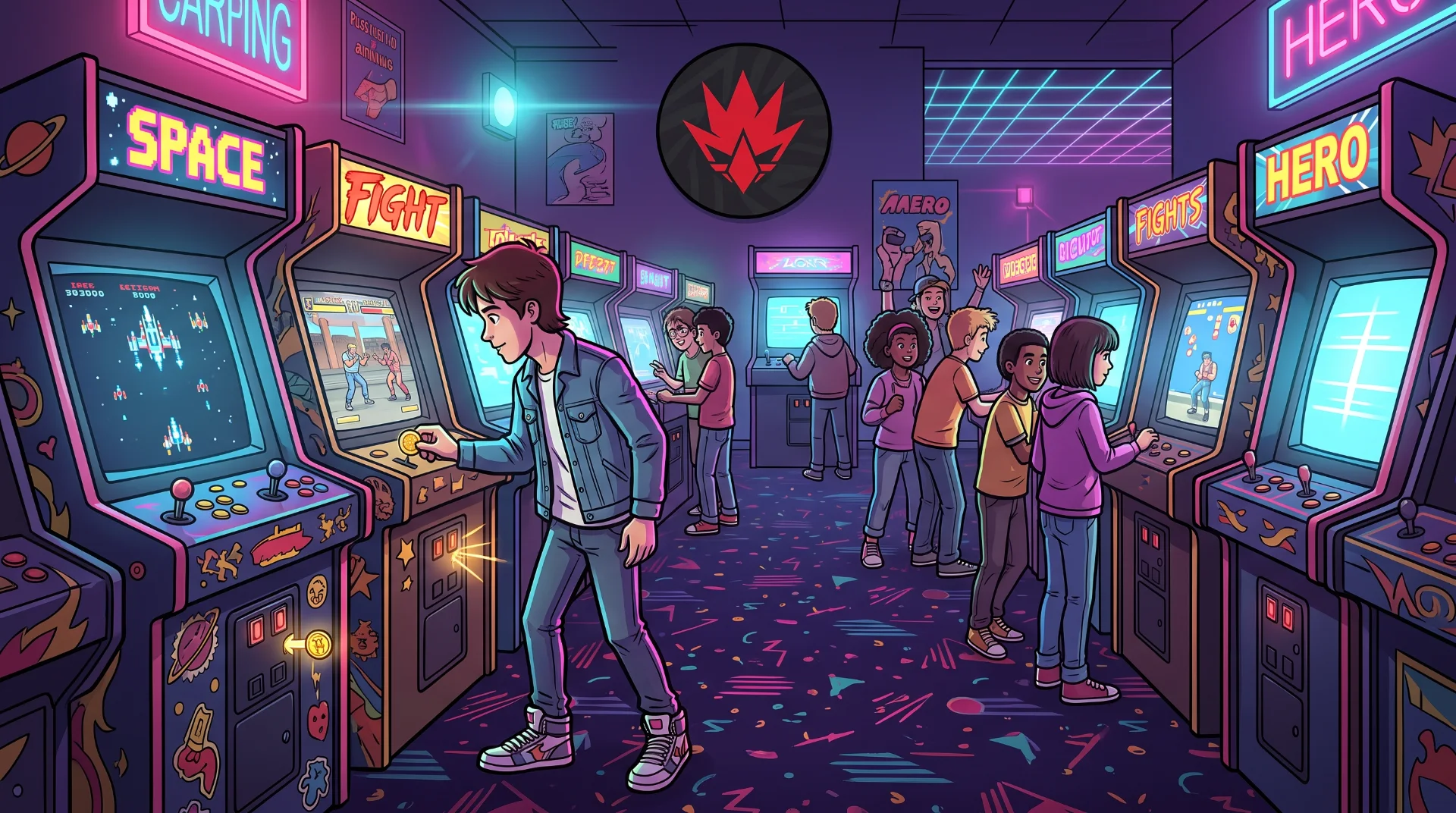
The Coin-Op Renaissance: Why Simplicity Is Dominating Modern Gaming
In an era where modern blockbuster titles boast budgets exceeding $200 million and demand 80 hours of quest navigation, a counter-cultural movement has swept interactive entertainment: the resurgence of retro arcade mechanics.
From the breakout success of indie roguelikes utilizing pixel art to retro-inspired arcade bars filling metropolitan cities, audiences are demonstrating an appetite for immediate, responsive, and unforgiving game loops.
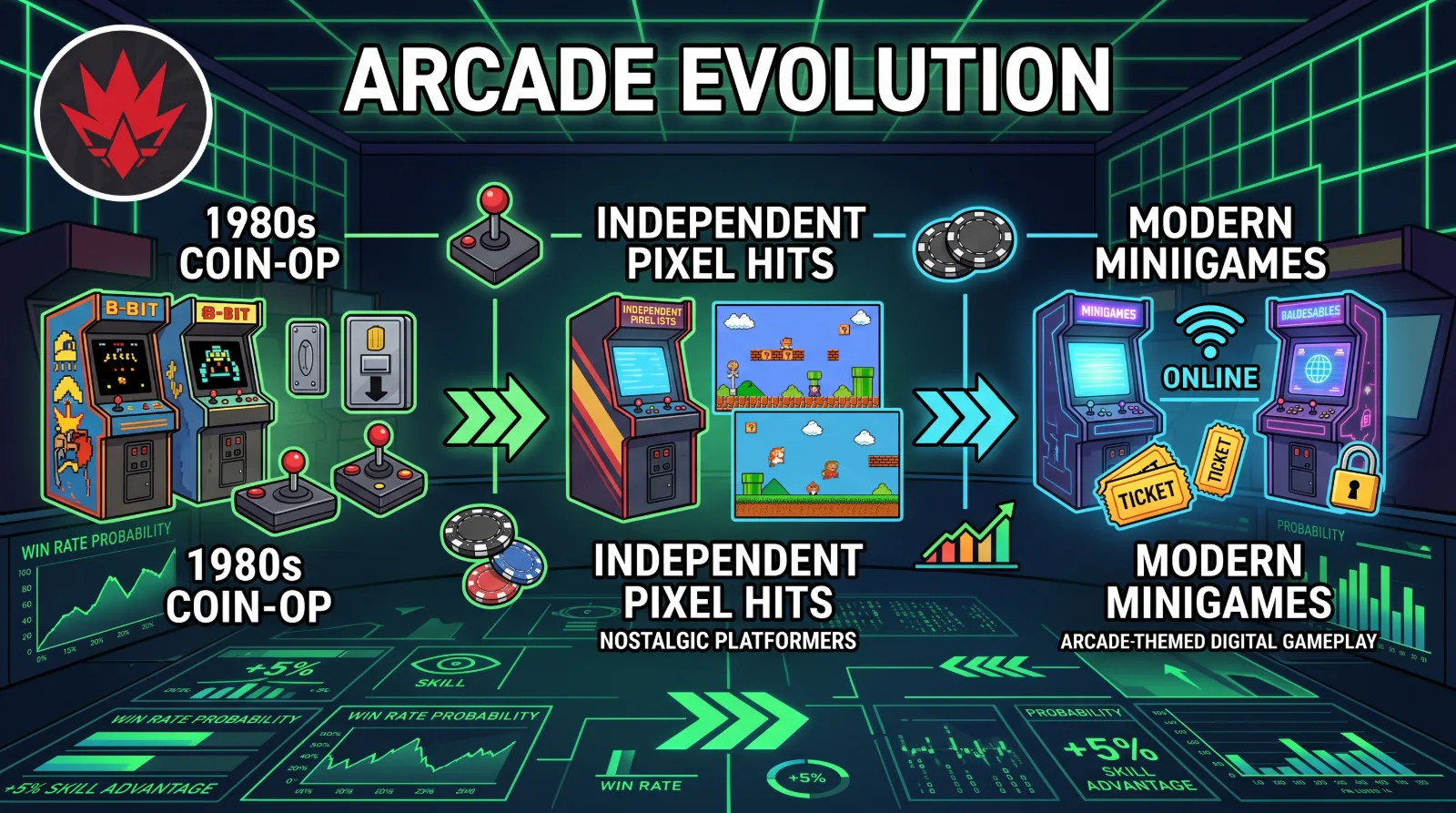
Below is an analysis of why classic coin-op design remains compelling, how the physical arcade era pioneered contemporary monetization, and why retro mechanics are thriving across digital entertainment.
The Philosophy of Immediate Feedback
Classic arcade games designed in the 1980s and 1990s (Pac-Man, Street Fighter II, Metal Slug) adhered to a strict design rule: The Three-Minute Loop.
Arcade Mechanical Pacing:
[Insert Token] ---> [Zero Tutorials / Immediate Action] ---> [Escalating Difficulty] ---> (Game Over / High Score)
- Intuitive Controls: Players understand the objective within three seconds of grasping the joystick. There are no lengthy cinematic exposition dumps or multi-layered inventory menus.
- High-Stakes Skill Floors: Arcade games were designed to collect quarters. Every life was precious, demanding spatial awareness, pattern recognition, and muscle memory.
- The High Score Hook: Social bragging rights were physical. Having your initials etched into an arcade machine's local leaderboard created organic community prestige.
Retro Mechanics in Contemporary Entertainment
The structural elegance of arcade design has been embraced across modern platforms:
- The Roguelite Boom: Titles like Vampire Survivors and Balatro strip away graphical fidelity in favor of pure numerical scaling, dopamine-rich sound effects, and frantic screen clears that mirror classic arcade shooting galleries.
- Thematic Influence on Casual Gaming: Software developers frequently utilize vibrant 8-bit color schemes, chiptune synth audio, and spinning reel mechanics to invoke immediate nostalgia for classic arcade and gaming entertainment, proving that bold visual charm outlasts photorealistic rendering.
Preservation & Digital Nostalgia
As original arcade circuit boards degrade, digital preservation and retro remasters ensure these timeless game loops endure:
- CRT Shaders & Scanlines: Modern remasters simulate the curved glass physics and phosphorescent glow of cathode-ray tube televisions to recreate the authentic warmth of original displays.
- Instant Action Appeal: For time-constrained adults, picking up an arcade title delivers immediate mechanical satisfaction without demanding weeks of narrative commitment.