Browser CoD Zombies: How Fans Ported Classic Undead Survival to WebAssembly
Can you play Call of Duty Zombies inside a web browser? Here is the technical breakdown of WebAssembly fan ports, WebGL rendering, keyboard controls, and legal preservation realities.
Undead in the Browser: The Technology Behind WebAssembly CoD Zombies Ports
The wave-based survival mode introduced in Call of Duty: World at War remains one of the most celebrated cooperative experiences in gaming history. The claustrophobic atmosphere of Nacht der Untoten—spending points to open doors, boarding up barricaded windows, and spinning the mystery box—spawned an entire gaming subculture.
Over recent months, search volume for "cod zombies browser" has surged as independent developers and retro preservationists ported classic wave-based mechanics to execute natively inside standard internet browsers.
Below is an engineering analysis of how these fan projects operate, the WebAssembly technology powering them, and legal copyright realities.
The Technological Engine: WebAssembly and WebGL 2.0
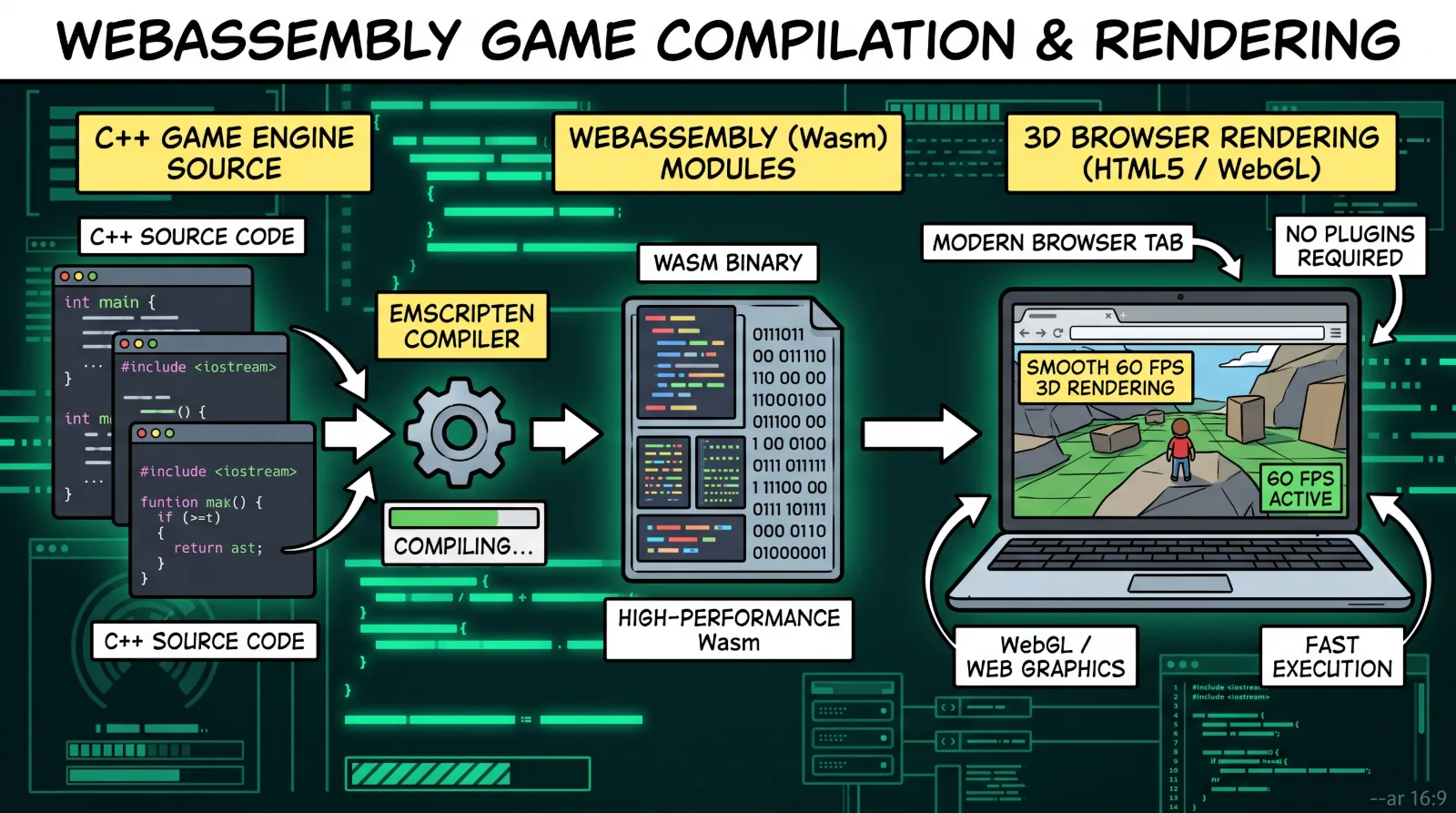
Running a full 3D first-person shooter inside a standard browser tab was historically hindered by poor JavaScript performance. Modern web standards rewritten that limitation:
- WebAssembly (Wasm): Developers take open-source C++ game engines and compile them into compact binary code that modern browsers execute at near-native execution speeds.
- WebGL 2.0 Graphics: Bypasses external software plugins, communicating directly with your computer’s graphics hardware to render real-time lighting, dynamic shadows, and 3D zombie skeletal meshes.
- Local Storage Caching: Map assets and sound archives download once into browser indexed databases, allowing instant replayability without continuous network streaming.
Recreating Classic Gameplay Loops in Lightweight Form
These browser adaptations replicate the foundational rules of early wave survival:
Classic Mechanics Recreated:
Barricade Repair: Holding interact keys near broken windows re-boards timber planks, rewarding ten points per board.
Mystery Box Weapon Logic: Random number generation cycles weapon tiers, ranging from basic service pistols to iconic fictional wonder weapons.
Round Scaling Algorithms: Zombie movement velocity and total hitpoint pools escalate mathematically with every completed round.
The Intellectual Property Reality
While technically impressive, direct browser recreations exist in a fragile legal space:
- Copyright Enforcement: Activision holds strict trademarks on game assets, weapon audio files, and map geometries. Direct commercial clones are routinely issued DMCA takedown requests.
- Independent Tributes: Many browser developers pivot toward original indie assets inspired by classic survival pacing. Compare this with other browser streaming technologies in our news sections.