Crypto vs. Traditional Payments in Gaming: Speed, Privacy & Chargeback Risks
Why are international gamers abandoning traditional credit cards for stablecoins and crypto rails? Here is the complete breakdown of processing fees, settlement speed deltas, chargeback protections, and privacy differences.
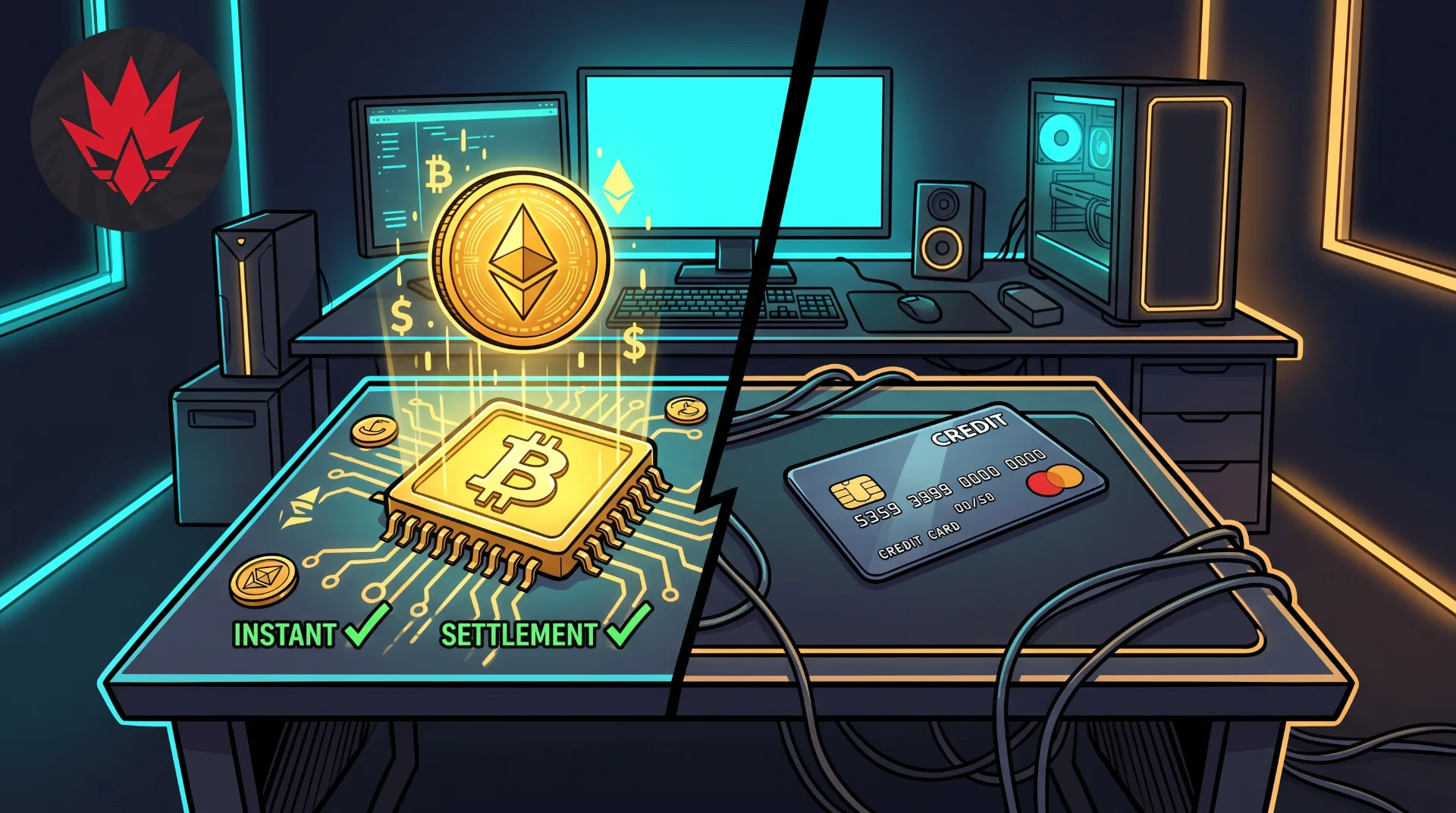
The Currency Friction: Analyzing Payment Rails in Modern Digital Gaming
The global video game industry processes tens of billions of dollars in cross-border microtransactions annually. Yet the underlying financial infrastructure powering digital storefronts remains largely anchored to legacy banking rails developed decades before the internet was invented.
For international gamers, streamers, and digital asset collectors, traditional banking introduces friction: foreign transaction fees, arbitrary fraud security locks, geographic card restrictions, and multi-day payout delays.
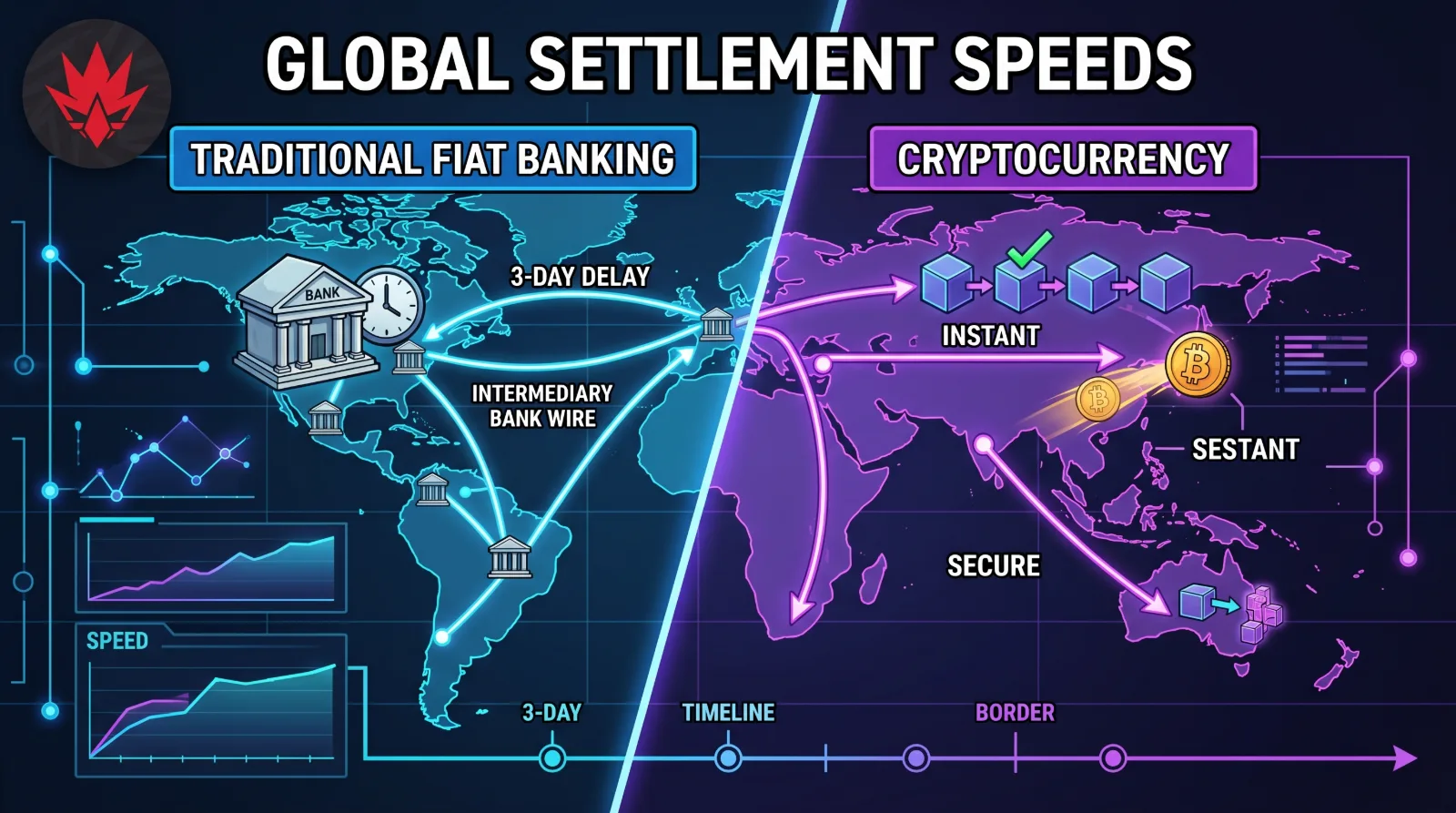
As a result, an increasing proportion of cross-border gaming traffic has transitioned toward decentralized cryptocurrencies and stablecoins. Below is an engineering comparison of processing speeds, privacy protocols, and transaction security between traditional card schemes and blockchain settlement layers.
Settlement Comparison: Visa/Mastercard vs. Crypto Networks
| Transaction Variable | Traditional Credit Cards (Visa/MC) | Crypto Rails (USDT, USDC, SOL) |
|---|---|---|
| Merchant Processing Fee | 2.5% to 4.5% + fixed interchange fee | Under 1% (or negligible gas fees) |
| International Payout Speed | 2 to 5 business days (via SWIFT/ACH) | Sub-minute to 15 minutes (24/7/365) |
| Chargeback Exposure | High (Vulnerable to friendly-fraud claims) | Mathematically zero (Irreversible on-chain ledger) |
| User Data Footprint | Full name, billing address, card security CVV | Cryptographic public wallet address only[cite: 18] |
Why International Gamers Prefer Decentralized Payment Rails
The advantages of crypto adoption across global entertainment ecosystems are driven by operational efficiency[cite: 18]:
- Elimination of Geographic Censorship: Players residing in regions with volatile domestic currencies or restrictive foreign exchange controls often face automatic card declines on Western storefronts. Cryptographic networks operate borderless protocols that treat every participant equally[cite: 18].
- Stablecoin Settlement: Utilizing fiat-pegged tokens (such as USDC or USDT) eliminates the price volatility associated with raw crypto assets, allowing users to preserve purchasing power while benefiting from sub-second settlement speeds[cite: 18].
- Zero Risk of Card Scraping: Traditional checkouts require typing sensitive 16-digit card numbers into merchant checkout fields. With secure crypto payment gateways, users sign cryptographic transaction messages directly from their personal wallet without exposing sensitive underlying bank accounts[cite: 18].
The Consumer Trade-Off: Irreversibility and Self-Custody
While blockchain networks eliminate merchant chargeback fraud, they shift responsibility entirely onto the end user:
- No "Forgot Password" Options: If a user loses their private seed phrase or mistakenly transfers assets to an incorrect contract address, transactions cannot be reversed by customer service.
- Gas Fee Spikes: Layer-1 networks like Ethereum can suffer localized congestion, causing temporary spikes in transaction fees during high-volume market events. Utilizing high-throughput chains (like Solana, Polygon, or Arbitrum) minimizes network overhead for gaming micropayments.