CS2 Skin Trading in 2026: Skinport vs. CSFloat vs. DMarket Fee & Cashout Guide
CS2 Skin Trading in 2026: Skinport vs. CSFloat vs. DMarket Fee & Cashout Guide
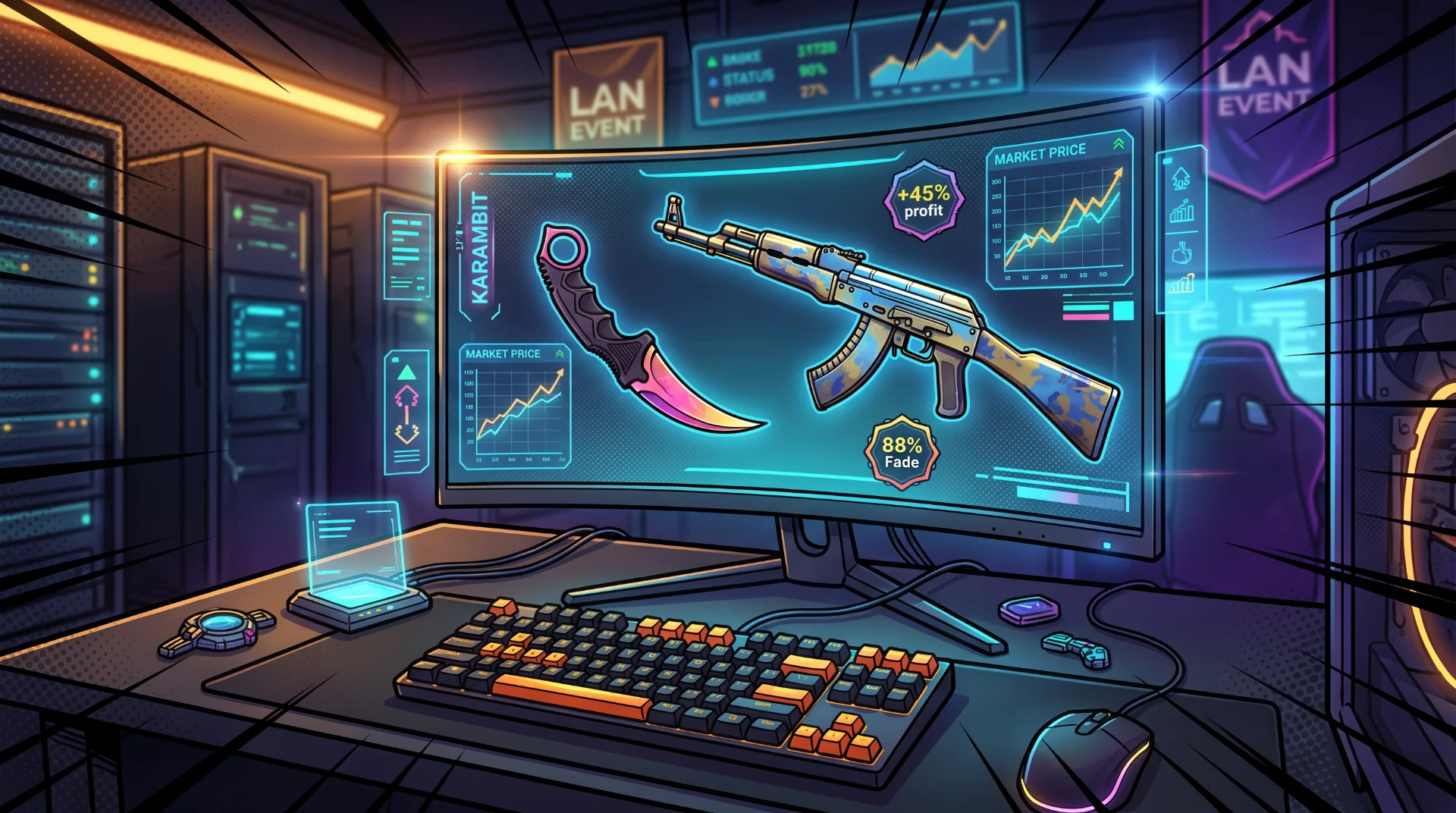
Liquid Assets: All you need to know to CS2 Skin Marketplaces and Real-Money Cashouts
The virtual economy of Counter-Strike 2 functions less like a simple video game cosmetic shop and more like a high-frequency commodities exchange. With rare knife finishes and Factory New gloves routinely changing hands for thousands of euros, relying on the internal Steam Community Market is a financial dead end.
Steam caps your digital wallet balance and locks your funds permanently inside Valve's closed ecosystem: you cannot withdraw cash to a real bank account, and Valve claims a steep 15% combined marketplace cut on every completed sale.
To liquidate skins into fiat currency, traders rely on external third-party marketplaces. However, shifting assets across external platforms introduces varying seller fees, mandatory Identity Verification (KYC) thresholds, and API trading risks. Below is the verified operational breakdown of the leading platforms—Skinport, CSFloat, and DMarket—paired with the exact mathematical fee formulas you need to protect your margins.[cite: 20, 21]
Marketplace Comparison Matrix: Fees, Methods & Escrow
Choosing the right marketplace depends entirely on whether you prioritize instant liquidity or absolute fee minimization:
| Platform | Base Seller Fee | P2P vs. Bot Storage | Payout Gateways | KYC Verification Level |
|---|---|---|---|---|
| Skinport (GmbH)[cite: 20] | 12% (6% on items over €1,000) | Traditional Valve Bot Vaults | Direct SEPA, SWIFT Bank Wire | Mandatory for cash withdrawals. |
| CSFloat[cite: 20, 21] | 2.0% Flat | Pure Peer-to-Peer (P2P) | Direct Bank, Stripe, Crypto Rails | Tiered based on volume. |
| DMarket[cite: 20, 21] | 2.0% – 4.0% (Dynamic) | Hybrid (Bot + P2P) | Web3 Tokens, E-Wallets, Cards | Automated ID verification. |
| Steam Market | 15.0% (Valve cut) | Internal Valve Ecosystem | Zero (Locked Steam Wallet Funds) | Basic Steam account standing. |
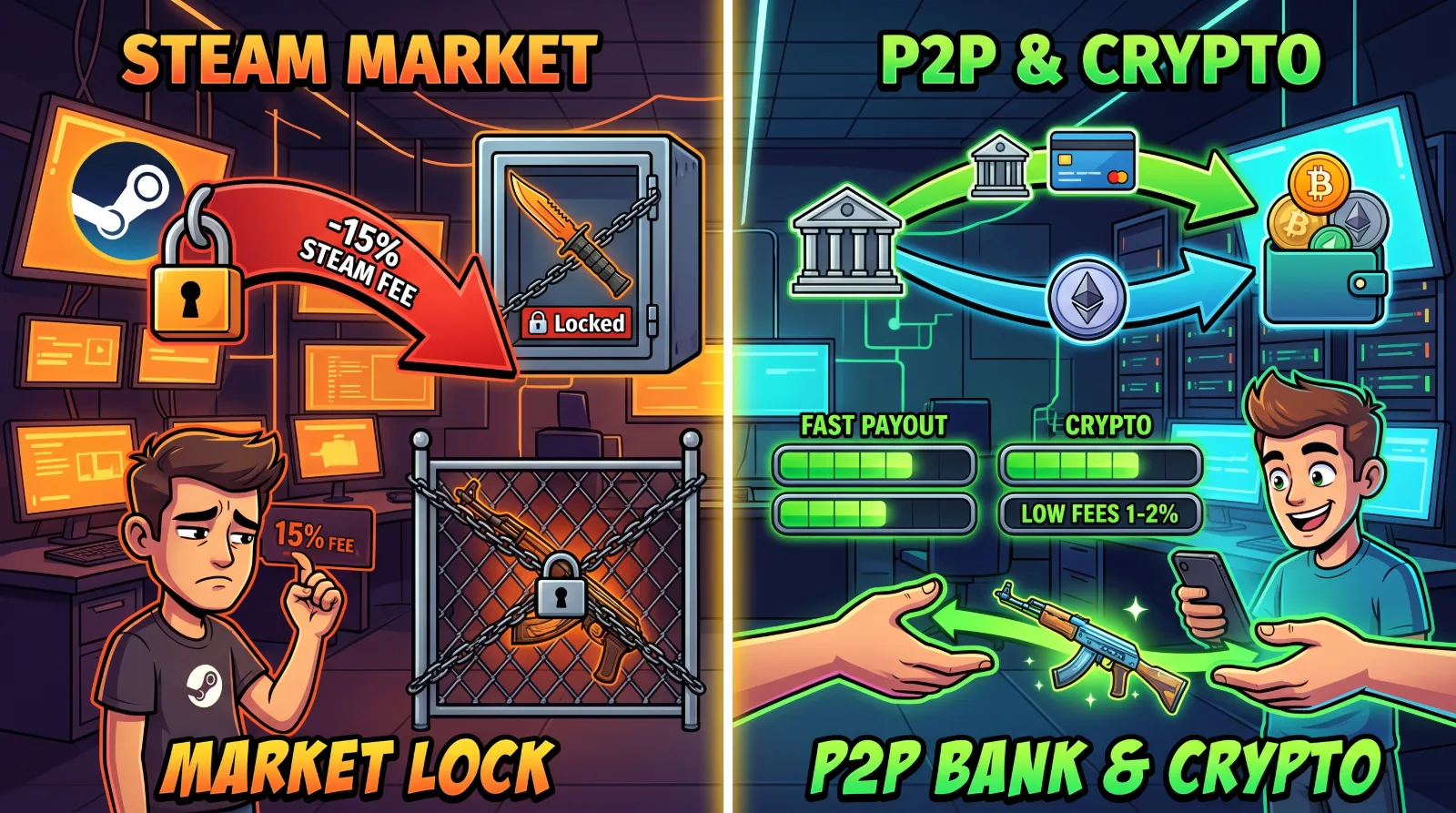
Bot Trade Escrow vs. P2P Architecture: Understanding the Trade-Off
The fundamental difference between platforms lies in asset custody during the listing phase:
Custody Trade Architecture:
Skinport Method: [User Inventory] ---> [Skinport Bot Vault (7-Day Trade Lock)] ---> [Buyer Vault]
CSFloat Method: [User Inventory (Playable)] -----------------------------------------> [Buyer Inventory]
1. Bot-Based Platforms (Skinport GmbH)[cite: 20]
When you list an item on Skinport, you must immediately trade the skin to an automated bot registered to Skinport GmbH in Germany[cite: 20].
- The Pro: Complete buyer and seller protection. Once the bot accepts the trade, you cannot be scammed by phishing links or buyer cancellation disputes.
- The Con: Your item sits in a bot inventory, meaning you cannot play with your skins while waiting for a buyer. Furthermore, Valve’s mandatory 7-day trade hold applies immediately upon transfer.
2. Peer-to-Peer (P2P) Platforms (CSFloat)[cite: 20, 21]
P2P marketplaces leave the skin sitting safely in your private inventory until a buyer completes the financial transaction on the platform:
- The Pro: You continue playing with your weapon in competitive matches while your listing is live.
- The Con: Once purchased, you have a strict window (typically 4 hours) to accept the trade offer via Steam Mobile Authenticator. Failing to send the trade triggers seller deposit penalties.
Payment Gateways & Payout Fees: Maximizing Real Cash Return
Selling a knife for €800 is only half the battle; getting those funds into your personal account requires navigating gateway processing costs:
- SEPA Bank Transfers (Europe): The gold standard for European residents. Platforms like Skinport process SEPA transfers with zero wire fees, arriving in your checking account within 1 to 3 business days.
- Digital Wallets & Web3 Rails: When liquidating assets across international borders, high currency-conversion fees on traditional credit cards can wipe out 3% to 5% of your transaction. Professional market makers frequently route capital through flexible e-wallets and decentralized payment providers that offer minimal foreign-exchange markups and sub-hour settlement windows.
How to Protect Your Inventory from API Phishing Scams
Third-party trading requires granting platform visibility into your trade offers, making users prime targets for API Key Hijacking:
- Verify Your Steam API Key Status: Navigate to
steamcommunity.com/dev/apikey. If you see an active API key registered that you did not explicitly generate for a verified marketplace, revoke it immediately. - The "Duplicate Bot" Scam: Fraudulent browser extensions monitor your account. When you initiate a legitimate trade, the malware cancels it and instantly generates a trade offer with an identical avatar and profile name to steal your item. Always cross-reference the Account Creation Date and Steam Level of the bot displayed in your marketplace checkout dashboard before confirming trades on your phone.