DMarket & CS2 Trading: Inspect Servers, Float Values & Web3 Liquidity
How do top traders price rare Case Hardened patterns and low-float skins using DMarket and custom inspect servers? Here is the guide to skin evaluation algorithms, float tiers, and Web3 settlement rails.
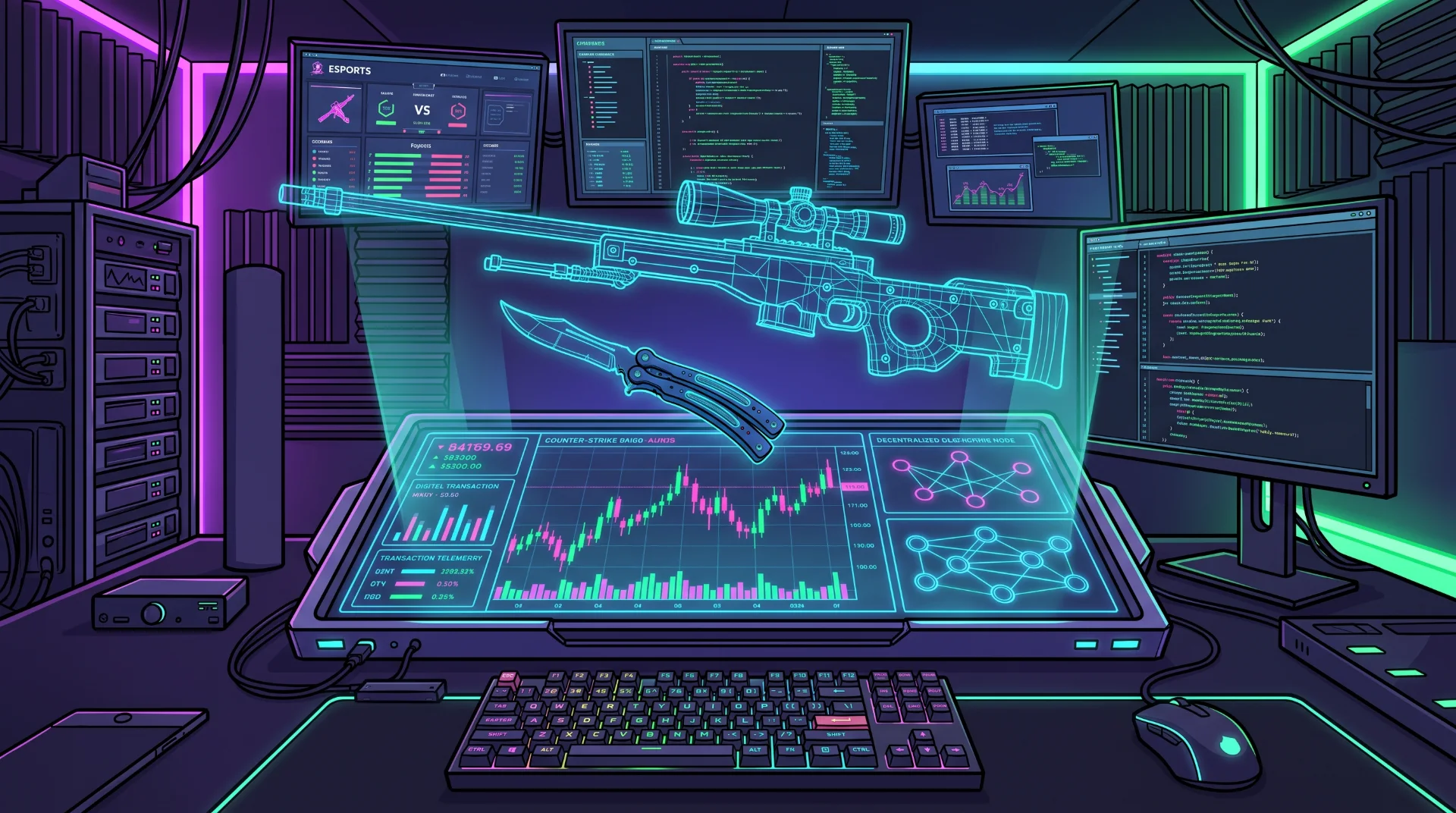
Algorithmic Trading: Mastering CS2 Skin Valuation and Fast Liquidity on DMarket
Trading virtual assets in Counter-Strike 2 has evolved far beyond casual forum bartering. Today, multi-million dollar portfolios are managed using real-time API scrapers, custom inspect servers, and decentralized settlement pipelines. Among the hybrid marketplaces bridging gaming assets and fintech infrastructure, DMarket stands out for its deep cross-platform catalog and integration of digital ownership protocols.
However, evaluating high-tier skins requires understanding more than just market averages. In CS2, two visually identical knives can have a 500% price disparity based on microscopic wear values and procedural pattern seeds.
Below is the definitive trader’s guide to utilizing custom inspect servers, mastering float value formulas, and understanding liquidity routing across decentralized platforms.
text
Decoding Float Values: The Mathematics of Wear
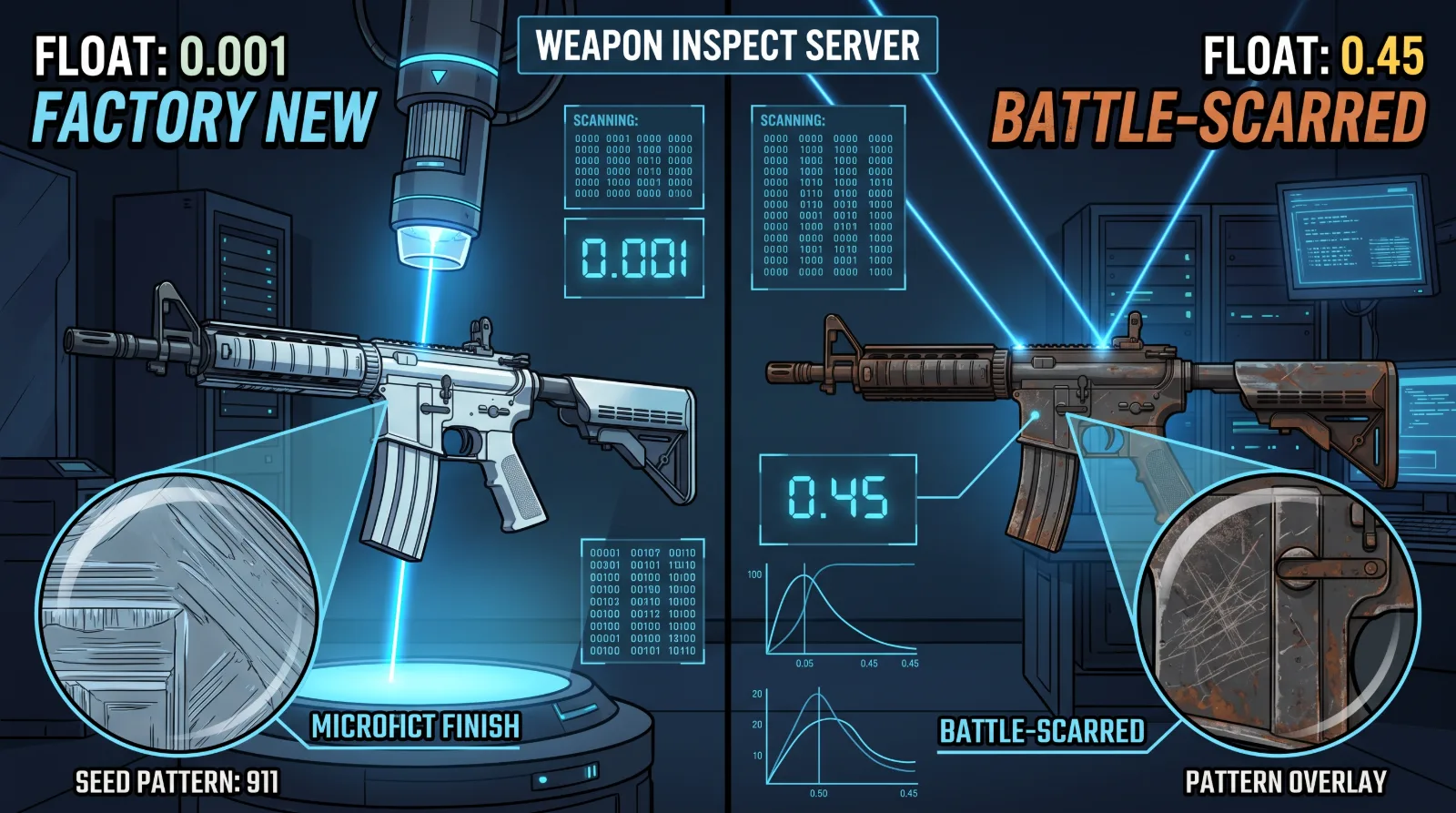
Every weapon skin dropped or unboxed in Counter-Strike is assigned an immutable 64-bit floating-point number between 0.00000000 and 1.00000000. This number determines physical paint abrasion:
The Wear Condition Spectrum:
[] Factory New (0.00 - 0.07)
[=] Minimal Wear (0.07 - 0.15)
[=] Field-Tested (0.15 - 0.38)
[] Well-Worn (0.38 - 0.45)
[==============] Battle-Scarred (0.45 - 1.00)
The "Float Cap" Anomaly
Certain skins (such as the AWP Asiimov or Glock-18 Fade) feature hardcoded float floors and ceilings. For instance, the Asiimov cannot drop in Factory New or Minimal Wear—its cleanest wear tier begins at Field-Tested (0.18). A low-float Field-Tested Asiimov (0.180x) commands massive market overpay because it sits at the absolute peak of visual cleanliness for that weapon class.
Using CS2 Inspect Servers (cs2inspects) to Verify Patterns
Never purchase a high-value skin based solely on static marketplace preview thumbnails:[cite: 21]
- Copy the Inspect Link: On DMarket, CSFloat, or Buff, copy the weapon’s internal
steam://rungame/730/...inspect link.[cite: 20, 21, 23] - Join a Dedicated Inspect Server: Open community servers running specialized generator plugins (
!ior!gencommands). - Render in Real-Time Lighting: Paste the code into the server chat console. The plugin spawns the exact skin in your hands, allowing you to examine how dynamic lighting and reflections interact with rare Case Hardened Blue Gems or Fade percentages in motion before committing capital.
Web3 Settlement Rails & Cross-Platform Asset Liquidity
What differentiates platforms like DMarket from traditional legacy brokers is its underlying financial infrastructure:[cite: 20, 21]
- Multi-Currency Cashouts: In addition to standard debit cards and bank transfers, modern exchanges allow traders to settle balances through digital assets and stablecoins, enabling international traders to bypass exorbitant cross-border wire fees.
- Cross-Game Interoperability: Digital inventories are no longer restricted strictly to Valve games. As digital asset ecosystems mature, integrating flexible Web3 liquidity networks allows collectors to transition capital seamlessly between gaming environments, virtual worlds, and external financial tools without friction.
- Targeted Buy Orders: Setting automated API buy orders at 10% to 15% below market value allows algorithmic traders to capture panic-sold items during market corrections and flip them for consistent margins.