RTX 5080 Gaming PC Guide: Specifications, Power Demands & Prebuilt Rigs
Preparing to build or buy a next-gen desktop? Here is the complete engineering guide to the NVIDIA GeForce RTX 5080, GDDR7 memory speeds, 12V-2x6 power connections, and prebuilt builder options.
Next-Gen Rigs: Building the Ultimate GeForce RTX 5080 Gaming PC
Every time NVIDIA transitions to a new graphics card microarchitecture, the high-performance desktop market undergoes a massive hardware shift. Following the dominance of the Ada Lovelace series, enthusiast communities have turned their focus toward the next leap: the GeForce RTX 5080.
Search queries for terms like RTX 5080, 5080 gaming PC, and European prebuilt system integrators like Mifcom are surging as hardware builders calculate power budgets and component pairings.
Below is an engineering analysis of expected silicon architecture, new high-speed memory standards, power infrastructure requirements, and avoiding component bottlenecks.
Architectural Leaps: Blackwell Silicon and GDDR7 Memory
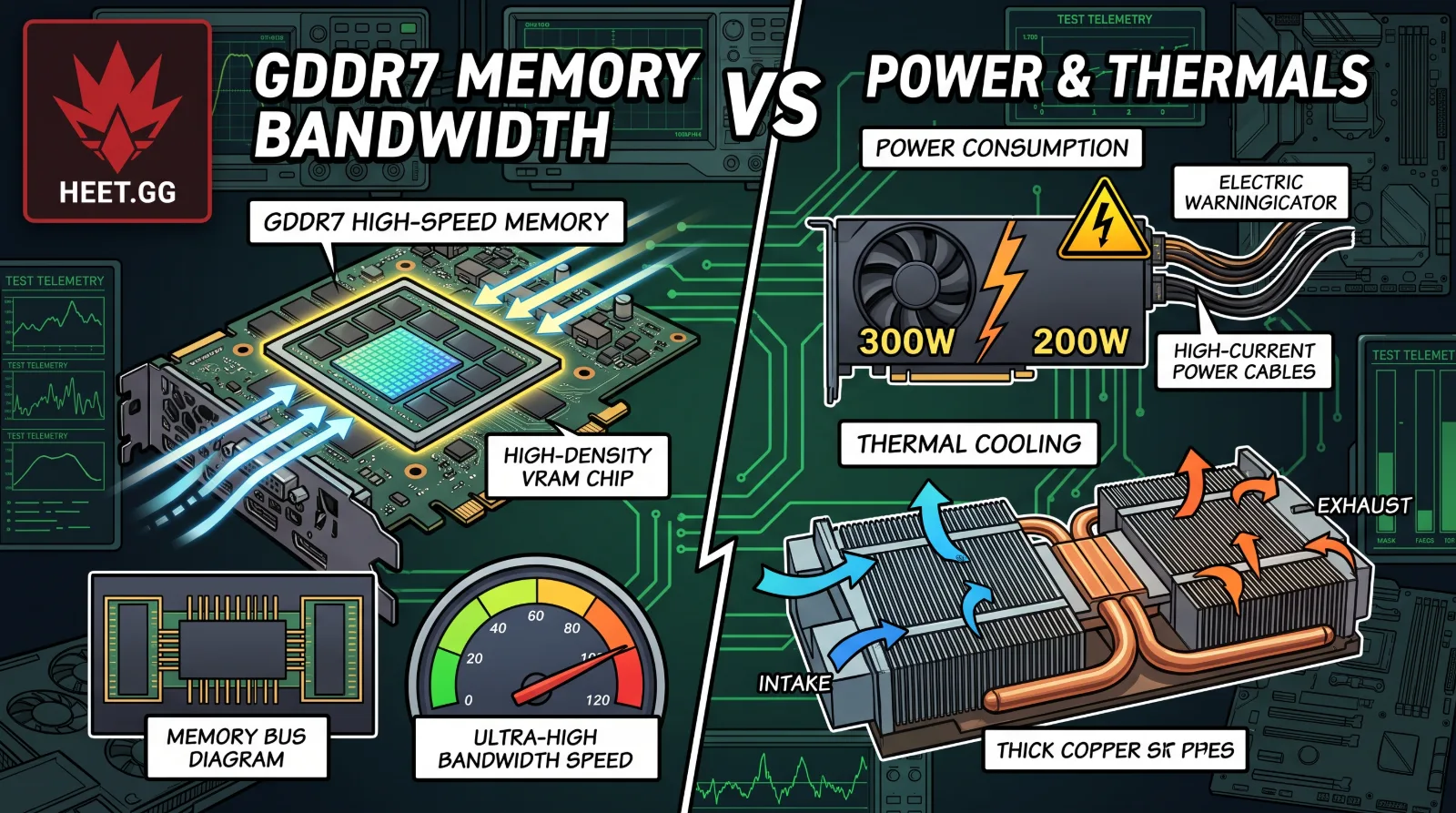
The RTX 5080 introduces high-speed memory standards that eliminate texture bandwidth bottlenecks:
Key Architectural Features:
GDDR7 Memory Modules: Delivering memory bandwidth exceeding 1,000 GB/s, enabling native high-refresh 4K gaming without micro-stutters during high-speed open-world exploration.
Fourth-Generation Tensor Cores: Accelerated neural rendering pipelines optimized for advanced machine-learning frame generation and neural reconstruction.
Advanced Ray Reconstruction: Dedicated ray-tracing accelerators capable of computing full path-traced lighting pipelines in real time.
Power Supply and Cooling Prerequisites
Building a system around a flagship graphics card requires planning beyond just slotting the card into a motherboard:
Hardware Requirements:
Power Supply Unit (PSU): Requires a minimum of an 850W to 1000W ATX 3.1 certified power supply featuring a native 16-pin 12V-2x6 power connector to prevent cable overheating.
Chassis Clearance: High-end cards feature triple-slot cooling shrouds exceeding 330mm in length. Verify physical internal dimensions before purchasing compact cases.
CPU Pairing: Pair the graphics card with an ultra-fast modern gaming processor (such as the AMD Ryzen 7 7800X3D or 9800X3D) to eliminate CPU draw-call bottlenecks in competitive esports titles.
Prebuilt vs. Custom DIY Assembly
For gamers who prefer turnkey solutions without assembling complex hardware components:
System Integrators: Boutique builders like Mifcom and international retailers provide factory-warrantied systems with custom liquid cooling and calibrated cable routing.
Budget Considerations: If you are balancing performance against budget constraints, review how memory allocation affects performance in our budget gaming PC hardware guide.