Valve Steam Machine: Living Room Hardware Rumors, SteamOS & Specifications
Is Valve preparing a return to living room hardware? Here is an engineering breakdown of the renewed Steam Machine rumors, custom APU silicon, Steam Frame display technology, and how SteamOS bridges PC and console gaming.
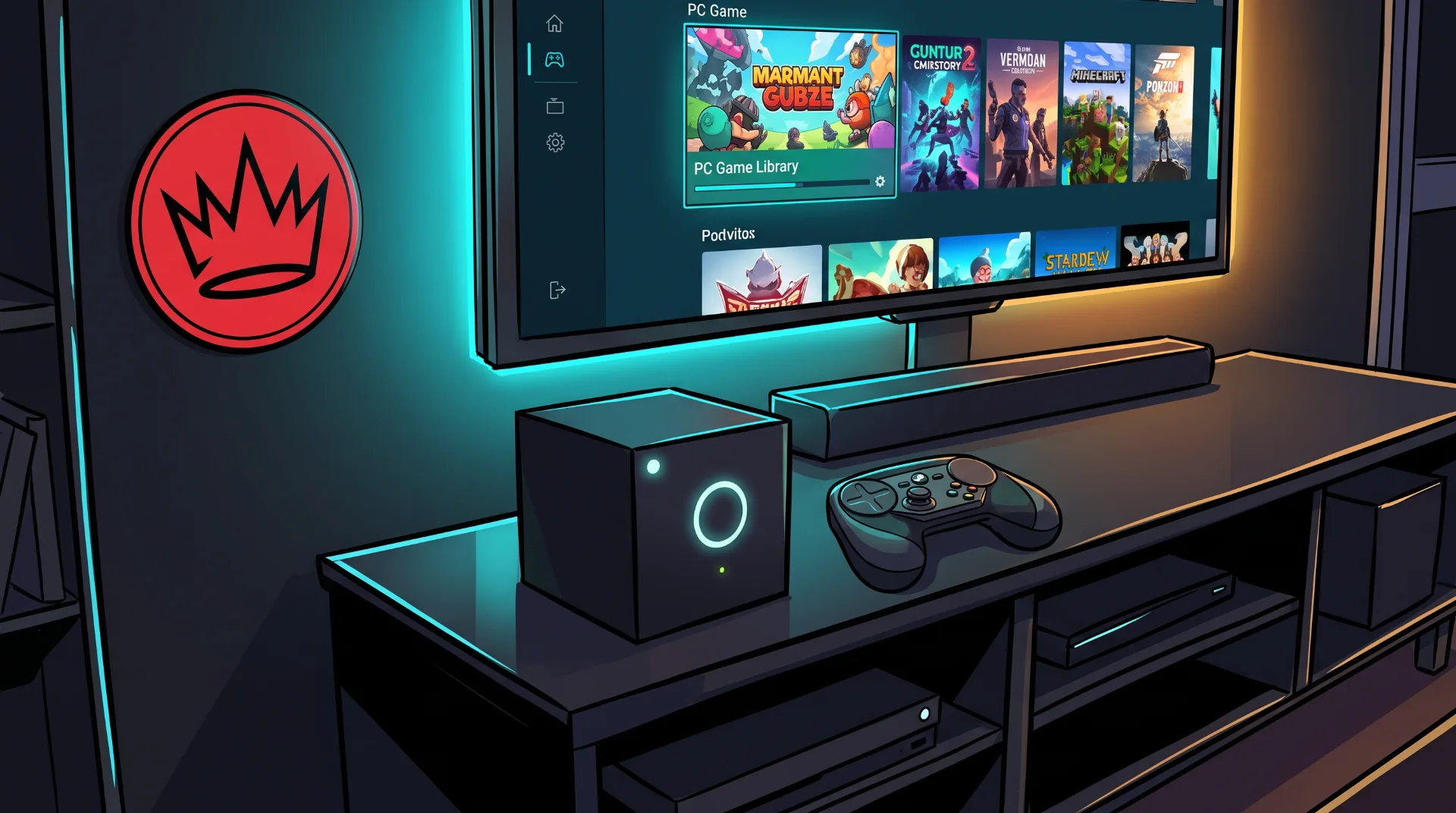
Living Room Disruption: Is Valve Preparing a New Steam Machine?
A decade ago, Valve’s ambitious initiative to conquer the living room with early third-party Steam Machines stumbled due to inconsistent hardware pricing and an immature Linux software catalog. Valve retreated, re-engineered its foundation, and launched the Steam Deck, proving that custom Linux-based operating systems could deliver phenomenal gaming experiences.
With search trends spiking around terms like Valve Steam Machine and Steam Frame, hardware communities are speculating about Valve’s next hardware frontier: a dedicated, affordable home console running modern SteamOS to challenge PlayStation 5 and Xbox Series X.
Below is an engineering analysis of how custom APU architecture, Proton compatibility layers, and display streaming technologies could shape a next-generation living room platform.
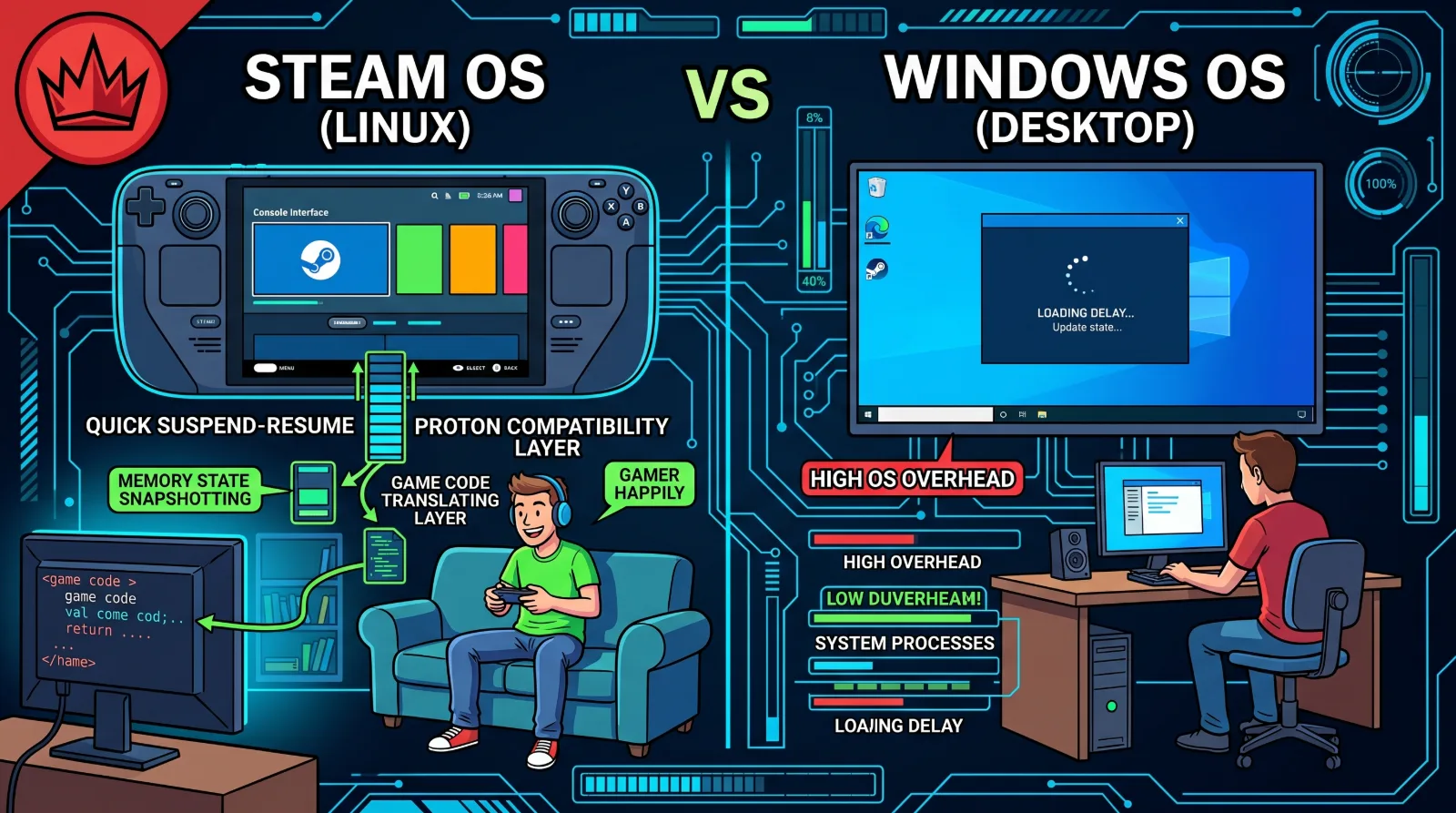
Why SteamOS Is Ready for the Living Room
The original Steam Machine failed because thousands of major Windows titles could not run natively on Linux. Today, Valve’s translation layer, Proton, has fundamentally rewritten the gaming landscape.
The Software Foundation:
Universal Compatibility: Over 15,000 PC titles run out-of-the-box on SteamOS without requiring native developer ports.
Instant Suspend and Resume: Operating system level memory caching allows players to suspend complex single-player campaigns instantly with a single button press.
Unified Community Profiles: Complete access to Steam Cloud saves, the Steam Workshop mod ecosystem, and existing user libraries without repurchasing software.
Hardware Blueprint: What a Modern Steam Console Needs
To compete effectively against subsidized home consoles, a living room Valve machine must hit competitive performance-to-price ratios:
Hardware Specification Targets:
Processor Architecture: Semi-custom AMD Zen 4 CPU combined with RDNA 3.5 or RDNA 4 graphics compute units, delivering consistent native 1440p and upscaled 4K output.
Unified Memory Pool: 16 GB to 24 GB of shared high-speed GDDR6 or LPDDR5X RAM to balance game texture buffers and background operating system services.
Storage Standards: Standard M.2 2280 NVMe expansion bays, allowing users to upgrade storage with off-the-shelf components without proprietary memory cards.
The Steam Frame: Next-Gen Streaming Display Ecosystem
Hardware datamines referencing the Steam Frame suggest a complementary wireless display protocol:
Ultra-Low Latency Video Encoding: Utilizing hardware-accelerated AV1 codecs to mirror high-frame-rate PC gaming sessions directly to television screens or standalone VR headsets with sub-five-millisecond transmission latency.
Ecosystem Synergy: Read our analysis on network latency optimization in our Fortnite cloud gaming setup guide to understand how packet priority prevents stream stuttering.