Why GTA 6 Was Delayed for Smart NPCs: AI Behavior Trees & Pedestrian Memory
Why did smart pedestrians force Rockstar to delay GTA 6? Here is an engineering breakdown of advanced NPC memory routines, dynamic crowd psychology, emotional awareness trees, and ambient memory buffers.
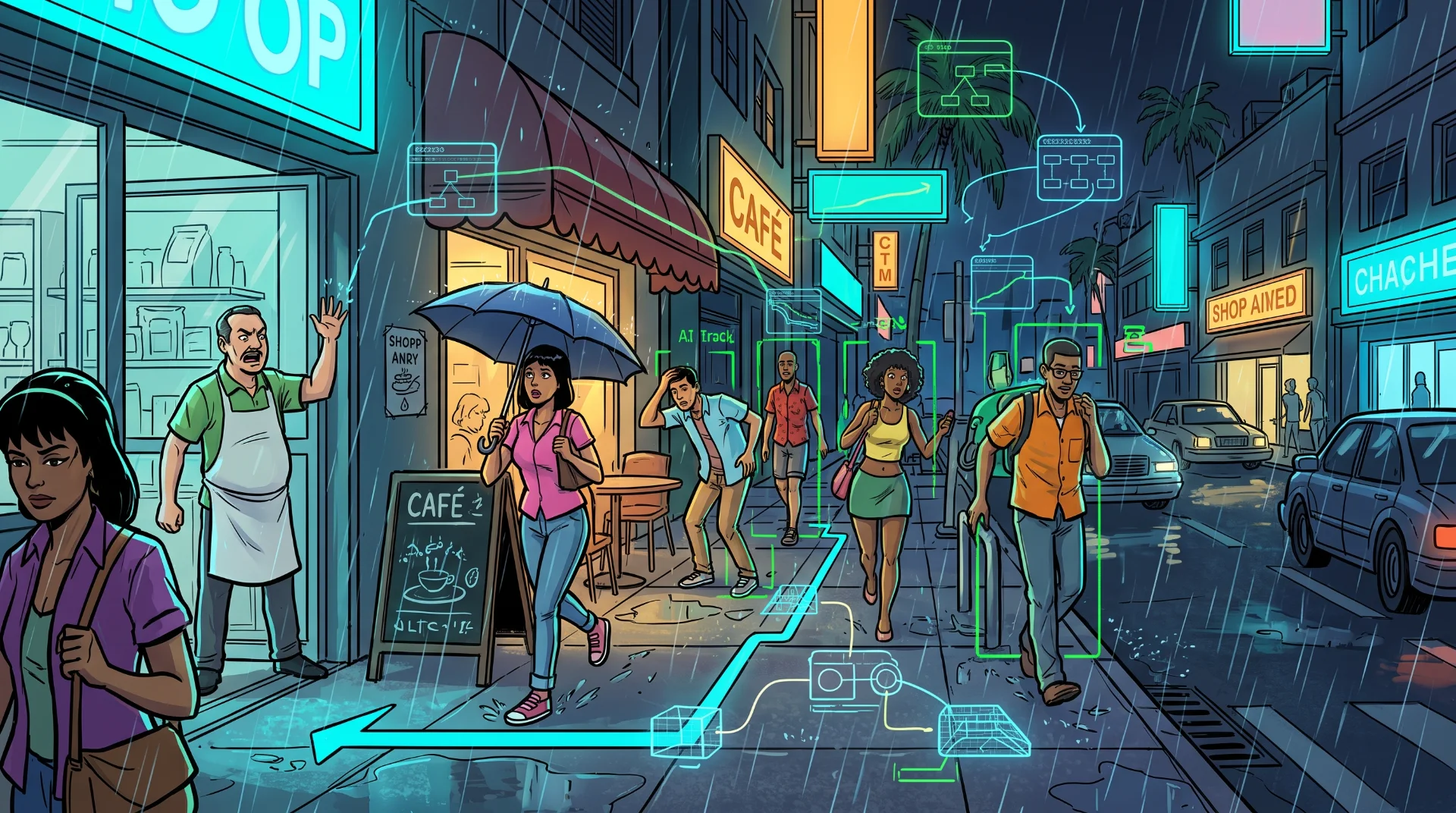
Sentient Sidewalks: How Groundbreaking Pedestrian AI Caused the GTA 6 Delay
In typical open-world video games, non-playable characters (NPCs) are visual set dressings. They walk along rigid spline paths, repeat generic five-second voice lines, and evaporate into thin air the moment you turn the camera away to free up system memory.
According to development reports emerging from Bloomberg's investigation, Rockstar Games refused to settle for static window dressing in Grand Theft Auto VI. Studio leadership confirmed that one of the primary reasons for extending development into November 2026 was the sheer computational difficulty of stabilizing an unprecedented Smart NPC Simulation Engine.
Below is an engineering analysis of how Leonida’s pedestrian decision trees operate, how characters retain spatial memory, and why orchestrating thousands of independent minds pushed modern console CPUs to their limits.
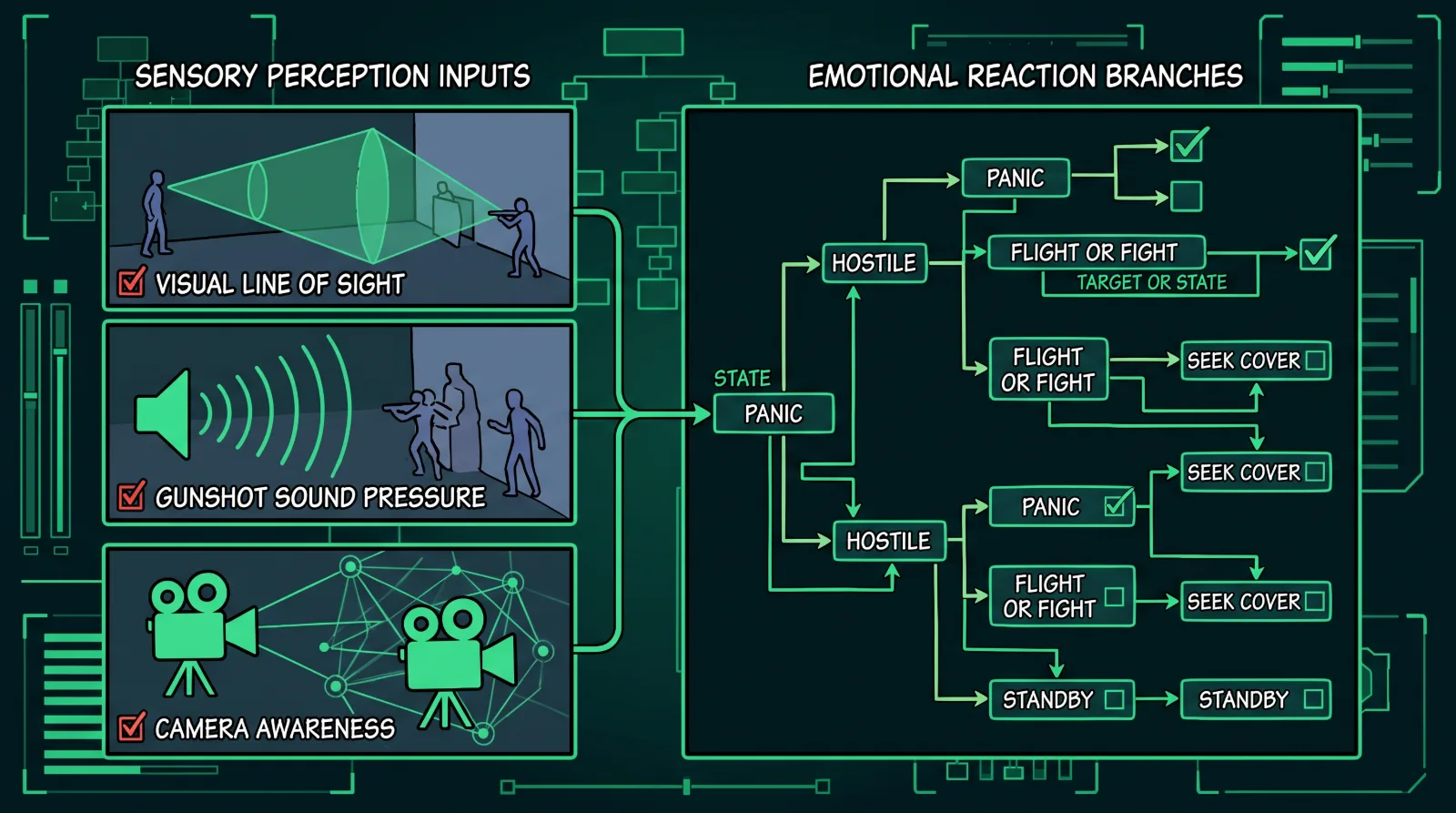
Beyond Basic Pathfinding: The 3 Pillars of Smart NPCs
Rockstar has engineered crowds that react like genuine human inhabitants rather than script-driven cardboard cutouts:
- Ambient Spatial Memory: If Lucia or Jason causes a violent scene outside a specific cafe, survivors who flee remember your clothing profile. Returning to that same district hours later prompts shopkeepers and local regulars to view you with suspicion, whispering to neighbors or discreetly reaching for concealed defense weapons.
- Dynamic Environmental Reactions: Pedestrians do not ignore weather. Sudden tropical squalls cause crowd members to sprint toward bus stops, hold newspapers over their heads, or summon ride-share vehicles on their digital smartphones.
- Group Cohesion Routines: NPC companions, couples, and family units walk with natural spatial awareness. They navigate around street lamps without separating, converse with contextual hand gestures, and physically protect one another during traffic collisions.
The CPU Bottleneck: Why Previous Consoles Could Never Run This
Simulating thousands of high-intelligence entities simultaneously places massive strain on central processors:
Console CPU Cycle Allocation:
[============================= ] 45% AI Sensory Calculations & Pathfinding
[===================== ] 30% Euphoria Physics & Ragdoll Skeletal Bones
[=============== ] 25% Audio Occlusion & World Script Streaming
- Thread Concurrency: The Zen 2 processor cores inside the PlayStation 5 and Xbox Series X must calculate visual sightlines, audio sound-wave propagation, and emotional threat levels for hundreds of nearby pedestrians concurrently.
- Memory Heap Desynchronization: If an explosion occurs in downtown Vice City, dozens of smart NPCs calculate independent flight routes simultaneously. Early development builds suffered memory fragmentation when pathfinding routines collided, requiring months of custom engine optimizations to ensure locked frame pacing.
How Smart Crowds Revolutionize Tactical Police Encounters
The intelligence of ambient pedestrians directly feeds into the game's revamped law enforcement system:
- Citizen Telemetry: Bystanders do not just run; they actively film criminal acts. If Lucia discharges a firearm, witnesses upload footage to social media, giving local police departments live visual feeds of your getaway vehicle.
- Contextual Snitching: Criminals hiding in crowded alleys can be betrayed by observant NPCs who point out your hiding spot to investigating officers. Discover how physical realism extends to character models in our GTA 6 realistic sweat system report.